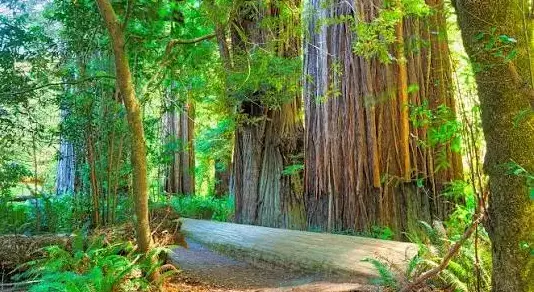
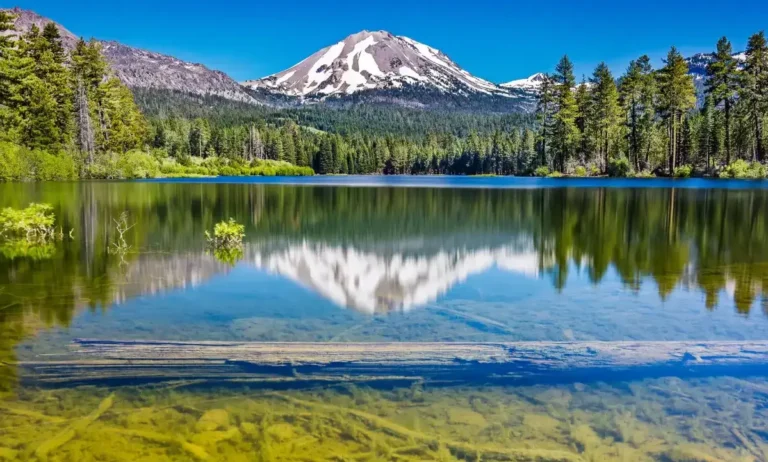
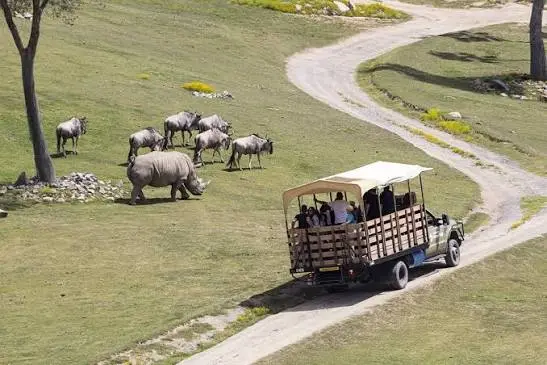
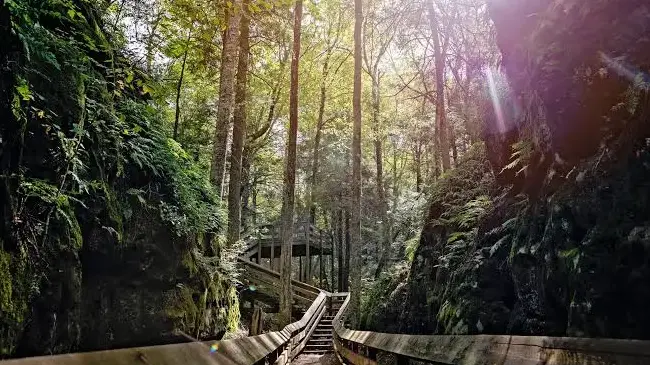
Few places on Earth inspire awe quite like Sequoia National Park. Home to the world’s largest trees, dramatic mountain landscapes, deep canyons, and abundant wildlife, this iconic California destination offers an unforgettable outdoor experience for visitors of all ages. Whether you’re standing beneath the towering General Sherman Tree, hiking through the peaceful Giant Forest, or climbing Moro Rock for breathtaking views of the Sierra Nevada, every corner of the park showcases nature on a grand scale.
Established in 1890, Sequoia National Park is America’s second-oldest national park and was created to protect the giant sequoias that have stood for thousands of years. Today, the park covers more than 400,000 acres of forests, rivers, granite peaks, and alpine wilderness, attracting millions of travelers from around the world.
Whether you’re planning a weekend getaway, a family vacation, or an epic California road trip, this guide covers everything you need to know about visiting Sequoia National Park, including its top attractions, hiking trails, lodging, weather, entrance fees, and practical travel tips.
If you enjoy exploring spectacular natural landscapes, be sure to read our guide to Grand Teton National Park, another breathtaking destination known for its rugged mountains, pristine lakes, and world-class hiking.
Table of Contents
Quick Facts About Sequoia National Park
| Feature | Details |
|---|---|
| Location | California, USA |
| Established | September 25, 1890 |
| Size | Over 404,000 acres |
| Famous For | Giant sequoia trees |
| Highest Peak | Mount Whitney (adjacent wilderness access) |
| Annual Visitors | Over 1 million |
| Managed By | National Park Service |
Where Is Sequoia National Park?
Sequoia National Park is located in the southern Sierra Nevada Mountains of central California. The park lies east of the San Joaquin Valley and borders Kings Canyon National Park, allowing visitors to explore two incredible national parks during the same trip.
The nearest cities include:
- Visalia
- Fresno
- Three Rivers
Many travelers visit Sequoia National Park as part of a California road trip that also includes Yosemite National Park, Kings Canyon National Park, or California’s scenic Pacific Coast.
Although the park is accessible year-round, mountain roads can experience seasonal closures during heavy snowfall, particularly in higher elevations.
History of Sequoia National Park
Sequoia National Park was established in 1890 to protect the world’s largest giant sequoia groves from commercial logging. It became the second national park in the United States, following Yellowstone National Park, and remains one of America’s most treasured natural landscapes.
Long before the park was created, Native American communities, including the Mono (Monache) and Yokuts peoples, lived throughout the Sierra Nevada region, relying on its forests, rivers, and wildlife for generations.
In the late 19th century, conservationists recognized the importance of preserving the ancient giant sequoias, some of which are estimated to be more than 2,000 years old. Their efforts helped ensure these remarkable trees would remain protected for future generations.
Today, Sequoia National Park is recognized worldwide for its biodiversity, breathtaking scenery, and commitment to conservation.
Sequoia National Park Map
Before beginning your adventure, reviewing a park map can help you plan an efficient itinerary.
The map helps visitors locate:
- General Sherman Tree
- Giant Forest
- Moro Rock
- Tunnel Log
- Crystal Cave
- Lodgepole Visitor Center
- Giant Forest Museum
- Crescent Meadow
- Campgrounds
- Scenic drives
- Hiking trailheads
Because mobile service is limited in many areas of the park, downloading an offline map before arrival is highly recommended.
Best Things to Do in Sequoia National Park
From ancient forests to granite peaks, Sequoia National Park offers unforgettable experiences for every type of traveler.
Visit the General Sherman Tree
No visit to Sequoia National Park is complete without seeing the legendary General Sherman Tree.
Standing approximately 275 feet (84 meters) tall with an estimated age of more than 2,200 years, General Sherman is recognized as the largest tree on Earth by volume. Its massive trunk measures over 36 feet in diameter, making it one of the park’s most iconic attractions.
A paved walking trail leads visitors through a peaceful grove of giant sequoias before arriving at the tree. Along the way, you’ll encounter interpretive signs explaining the biology, history, and importance of these remarkable giants.
Because of its popularity, arriving early in the morning or later in the afternoon helps avoid the busiest crowds.
Explore the Giant Forest
Surrounding the General Sherman Tree is the magnificent Giant Forest, home to more than 8,000 giant sequoia trees. Walking through this ancient forest is one of the most memorable experiences in California.
Several easy trails allow visitors to explore towering groves, peaceful meadows, and shaded woodland paths while learning about the unique ecosystem that supports these incredible trees.
Popular walks within the Giant Forest include:
- Congress Trail
- Big Trees Trail
- Hazelwood Nature Trail
- Giant Forest Museum area
Unlike many forests, Giant Forest feels almost prehistoric. The enormous trunks, filtered sunlight, and quiet atmosphere create an unforgettable setting for photography, wildlife viewing, and peaceful walks.
The nearby Giant Forest Museum is also worth visiting before beginning your hike. Interactive exhibits explain how giant sequoias grow, survive wildfires, and thrive for thousands of years.
Walk the Congress Trail
For visitors who want to experience even more giant sequoias, the Congress Trail is one of the park’s best easy hikes.
This paved 2-mile loop begins near the General Sherman Tree and winds through one of the world’s most impressive collections of ancient giant sequoias.
Along the trail you’ll discover famous tree groups such as:
- The House Group
- The Senate
- The President Tree
- The McKinley Tree
Because many visitors only stop at General Sherman, walking the Congress Trail offers a quieter experience while showcasing dozens of equally impressive giant sequoias.
It’s an excellent hike for families, photographers, and first-time visitors looking to immerse themselves in one of Earth’s oldest living forests.
Climb Moro Rock
One of the most rewarding experiences in Sequoia National Park is climbing Moro Rock, a massive granite dome that offers spectacular panoramic views of the Sierra Nevada Mountains. A staircase of nearly 400 steps leads visitors to the summit, where breathtaking vistas stretch across rugged peaks, deep valleys, and dense forests of giant sequoias.
Although the climb is short, it can feel challenging due to the elevation. Along the way, several viewing platforms provide excellent places to rest and capture photos.
Why visit Moro Rock?
- 360-degree mountain views
- Incredible sunrise and sunset photography
- One of the park’s most iconic landmarks
- Easy hike suitable for most visitors
Tip: Visit early in the morning or later in the afternoon to avoid crowds and enjoy cooler temperatures.
Drive Through Tunnel Log
One of the park’s most photographed attractions is the famous Tunnel Log. Created after a giant sequoia naturally fell across Crescent Meadow Road in 1937, a tunnel was carved through the trunk, allowing cars to drive directly through it.
Today, Tunnel Log remains a favorite stop for families and photographers.
Quick Facts
| Feature | Details |
|---|---|
| Length of Fallen Tree | Approximately 275 feet |
| Tunnel Width | About 17 feet |
| Best For | Photos & Scenic Drive |
| Vehicle Access | Most passenger vehicles |
Even if you don’t drive through the tunnel, it’s a great place to stop for memorable photos and appreciate the incredible size of these ancient trees.
Explore Crystal Cave
Hidden beneath the Sierra Nevada lies Crystal Cave, one of Sequoia National Park’s most fascinating natural attractions.
This marble cave features impressive formations, including:
- Stalactites
- Stalagmites
- Flowstone
- Marble chambers
- Underground streams
Access is available only through guided tours offered seasonally by the National Park Service. Since tickets often sell out during the summer, it’s a good idea to reserve them well in advance.
Crystal Cave offers a completely different perspective of the park, making it an excellent addition to your itinerary.
Visit Crescent Meadow
Often called the “Gem of the Sierra,” Crescent Meadow is one of the most peaceful places in Sequoia National Park.
Surrounded by towering sequoias, colorful wildflowers, and open grasslands, the meadow provides a relaxing escape from busier attractions.
Several hiking trails begin here, including routes leading to:
- Tharp’s Log
- Chimney Tree
- Tunnel Log
- High Sierra Trail
Wildlife is commonly seen in this area, particularly during the early morning and evening.
Enjoy Scenic Drives
Driving through Sequoia National Park is an adventure in itself. Winding mountain roads reveal dramatic viewpoints, dense forests, and granite cliffs around nearly every corner.
Popular scenic routes include:
Generals Highway
The Generals Highway connects Sequoia National Park with neighboring Kings Canyon National Park. Along the drive, you’ll pass many of the park’s most famous attractions, including Giant Forest, Moro Rock, and several visitor centers.
Crescent Meadow Road
This short but scenic drive leads visitors to Tunnel Log, Crescent Meadow, and several popular hiking trails.
Foothills Scenic Drive
Located at lower elevations, this route follows the Kaweah River through rocky canyons and oak woodlands. Spring is an especially beautiful time to visit, when wildflowers bloom along the hillsides.
Best Hiking Trails in Sequoia National Park
Whether you’re looking for a short family walk or a challenging mountain adventure, Sequoia National Park offers trails for every experience level.
| Trail | Distance | Difficulty | Highlights |
|---|---|---|---|
| General Sherman Trail | 0.5 mile | Easy | Largest tree on Earth |
| Congress Trail | 2 miles | Easy | Giant sequoia groves |
| Big Trees Trail | 1 mile | Easy | Family-friendly boardwalk |
| Moro Rock Trail | 0.6 mile | Moderate | Panoramic mountain views |
| Tokopah Falls Trail | 4 miles | Moderate | Scenic waterfall |
| High Sierra Trail | Multi-day | Difficult | Backcountry adventure |
Best Easy Hike: Big Trees Trail
The Big Trees Trail is perfect for families and first-time visitors. This one-mile loop circles a peaceful meadow while passing dozens of giant sequoias. Interpretive signs explain the ecology and history of the forest, making it both educational and enjoyable.
Best Moderate Hike: Tokopah Falls Trail
This 4-mile round-trip hike follows the Marble Fork of the Kaweah River before reaching the impressive Tokopah Falls, one of the park’s tallest waterfalls. The trail offers beautiful mountain scenery and is especially popular during spring and early summer when water flow is strongest.
Best Challenging Adventure: High Sierra Trail
Experienced hikers seeking a true wilderness experience should consider the High Sierra Trail. Stretching over 70 miles, this iconic route crosses alpine meadows, mountain passes, and remote backcountry landscapes before reaching the Mount Whitney area. Proper planning and permits are essential for this multi-day trek.
Whether you’re standing beneath the General Sherman Tree, climbing Moro Rock, or hiking through the Giant Forest, Sequoia National Park offers unforgettable adventures around every corner.
Camping in Sequoia National Park
Camping is one of the best ways to experience the beauty of Sequoia National Park. Waking up among giant sequoias, listening to birdsong, and enjoying the fresh mountain air creates memories that hotels simply can’t match.
The park offers several campgrounds ranging from developed sites with modern amenities to more primitive backcountry locations.
Popular Campgrounds
| Campground | Best For | Reservation |
|---|---|---|
| Lodgepole Campground | Families & first-time visitors | Recommended |
| Dorst Creek Campground | RVs and large groups | Recommended |
| Buckeye Flat Campground | Riverside camping | Seasonal |
| Potwisha Campground | Winter camping | Available seasonally |
Most campgrounds provide:
- Picnic tables
- Fire rings
- Restrooms
- Drinking water
- Food storage lockers
- Easy access to hiking trails
Because campsites fill quickly during summer, booking several months in advance is highly recommended.
Lodging Near Sequoia National Park
If camping isn’t your style, there are several comfortable lodging options both inside and outside the park.
Wuksachi Lodge
Located in the heart of Sequoia National Park, Wuksachi Lodge is the park’s primary hotel. It offers modern guest rooms surrounded by towering pine forests and provides convenient access to popular attractions like Giant Forest and Moro Rock.
Nearby Hotels
Many visitors stay in nearby communities such as:
- Three Rivers
- Visalia
- Fresno
These towns offer hotels, vacation rentals, restaurants, and grocery stores, making them excellent bases for exploring the park.
Wildlife in Sequoia National Park
Sequoia National Park protects one of California’s richest ecosystems, making it an outstanding destination for wildlife enthusiasts.
Visitors may encounter:
Mammals
- Black Bears
- Mule Deer
- Bobcats
- Coyotes
- Gray Foxes
- Mountain Lions (rarely seen)
- Marmots
- Squirrels
Birds
- Steller’s Jays
- Acorn Woodpeckers
- Mountain Chickadees
- Red-tailed Hawks
- Great Horned Owls
- Peregrine Falcons
Reptiles & Amphibians
- Western Fence Lizards
- Garter Snakes
- Pacific Tree Frogs
While wildlife sightings are exciting, remember to observe animals from a safe distance and never feed them. Properly storing food in the park’s bear-proof lockers helps protect both visitors and wildlife.
Sequoia National Park Weather
Weather varies significantly depending on elevation. Lower areas are generally warm throughout the year, while higher elevations experience cooler temperatures and winter snowfall.
| Season | Weather | Best Activities |
|---|---|---|
| Spring | Mild with blooming wildflowers | Hiking & waterfalls |
| Summer | Warm days, cool nights | Camping & sightseeing |
| Fall | Crisp temperatures and colorful scenery | Photography & hiking |
| Winter | Snow in higher elevations | Snowshoeing & winter landscapes |
Summer is the busiest season, while spring and fall offer pleasant weather with fewer crowds.
Best Time to Visit Sequoia National Park
Although the park is open year-round, the ideal time to visit depends on your interests.
Spring (April–June)
Spring brings flowing waterfalls, blooming wildflowers, and comfortable temperatures. Snow may still linger on higher trails, but lower elevations are perfect for hiking.
Summer (June–August)
Summer is the most popular season thanks to warm weather and full access to major attractions. Expect larger crowds, especially around the General Sherman Tree and Moro Rock.
Fall (September–October)
Many travelers consider fall the best time to visit. Cooler temperatures, thinner crowds, and beautiful autumn colors create excellent conditions for hiking and photography.
Winter (November–March)
Winter transforms Sequoia into a peaceful wonderland. Snow blankets the giant sequoias, creating unforgettable scenery. Some roads may require tire chains, so always check conditions before traveling.
Sequoia National Park Entrance Fees
Visitors entering Sequoia National Park are required to pay an entrance fee, which also includes access to neighboring Kings Canyon National Park.
| Pass | Validity |
|---|---|
| Private Vehicle Pass | 7 Days |
| Motorcycle Pass | 7 Days |
| Individual Entrance | 7 Days |
| America the Beautiful Pass | Annual access to participating U.S. national parks |
If you’re planning to visit multiple national parks within a year, the America the Beautiful Pass offers excellent value.
Park Hours
Sequoia National Park is generally open 24 hours a day, 365 days a year. However, visitor centers, campgrounds, shuttle services, and attractions such as Crystal Cave operate on seasonal schedules.
Before traveling, check for:
- Road closures
- Weather advisories
- Wildfire updates
- Shuttle schedules
- Trail conditions
Planning ahead helps ensure a safe and enjoyable visit.
Visitor Centers
Visitor centers are the best places to begin your adventure. Rangers can provide trail recommendations, maps, weather updates, and information about current park conditions.
Giant Forest Museum
The Giant Forest Museum offers fascinating exhibits explaining the life cycle of giant sequoias, wildfire ecology, and the history of the park. It’s also an excellent starting point before exploring the Giant Forest.
Lodgepole Visitor Center
Located near Lodgepole Campground, this visitor center provides maps, educational displays, a bookstore, and helpful travel information for exploring both Sequoia and Kings Canyon National Parks.
Whether you’re planning to camp beneath towering sequoias, photograph wildlife, or simply enjoy one of America’s most spectacular national parks, good preparation will make your trip even more memorable.
Nearby Attractions
One of the best things about visiting Sequoia National Park is its location. Several incredible natural attractions are just a short drive away, making it easy to extend your California adventure.
Kings Canyon National Park
Sharing a boundary with Sequoia National Park, Kings Canyon National Park is often visited on the same trip. It features dramatic granite cliffs, roaring rivers, alpine meadows, and scenic drives like the famous Kings Canyon Scenic Byway. Because one entrance fee covers both parks, it’s an easy addition to your itinerary.
Lake Kaweah
Located near the town of Three Rivers, Lake Kaweah is a popular destination for boating, kayaking, fishing, and lakeside picnics. It’s a great place to relax after a day of hiking through the giant sequoia groves.
Three Rivers
The charming town of Three Rivers serves as the main gateway to Sequoia National Park. Here you’ll find hotels, restaurants, cafés, grocery stores, gas stations, and local shops. Many visitors choose to stay here because of its convenient location and scenic river views.
Yosemite National Park
If you have extra time, consider adding Yosemite National Park to your California road trip. Although it’s a few hours away, Yosemite’s waterfalls, granite cliffs, and giant sequoia groves make it a perfect companion destination.
Travel Tips for First-Time Visitors
A little preparation can make your visit to Sequoia National Park much more enjoyable.
- Arrive early to avoid parking shortages at popular attractions.
- Download offline maps since mobile service is limited in many areas.
- Wear sturdy hiking shoes with good traction.
- Carry plenty of drinking water, especially during summer.
- Dress in layers because temperatures can change significantly with elevation.
- Store all food in bear-proof lockers provided by the park.
- Check weather forecasts and road conditions before your trip.
- Reserve campgrounds, lodging, and Crystal Cave tours well in advance during peak season.
- Stay on designated trails to help protect the park’s fragile ecosystem.
- Allow at least two full days if you want to explore both Sequoia and Kings Canyon National Parks.
If you’re planning to explore more of America’s incredible outdoor destinations, AttractionDeck has detailed travel guides to help you plan your next adventure. Discover the breathtaking mountain scenery of Grand Teton National Park, walk across the dazzling gypsum dunes at White Sands National Park, or experience unforgettable wildlife encounters at San Diego Zoo Safari Park. You can also explore the waterfalls of Colorado Bend State Park, relax at DuBois Park, enjoy peaceful camping at France Park, hike through Frazier Park, admire the skyline from Kerry Park, cool off at Kelly Park Rock Springs, visit the beaches of Cayo Costa State Park, photograph the cliffs at Chimney Bluffs State Park, or learn about the history of Fairfield Lake State Park.
Frequently Asked Questions
How many days do you need in Sequoia National Park?
Most visitors should plan 2 to 3 days to explore the park’s major attractions, including the General Sherman Tree, Giant Forest, Moro Rock, Tunnel Log, and several hiking trails. If you also want to visit Kings Canyon National Park, consider extending your trip to three or four days.
What is Sequoia National Park famous for?
Sequoia National Park is world-famous for its ancient giant sequoia trees, especially the General Sherman Tree, which is recognized as the largest tree on Earth by volume. The park is also known for its scenic mountain landscapes, hiking trails, wildlife, and granite formations.
When is the best time to visit Sequoia National Park?
The best time to visit is late spring through early fall (May to October) when most roads, trails, and attractions are fully accessible. Fall is especially popular because of cooler temperatures and fewer crowds.
Can you visit Sequoia and Kings Canyon National Parks in one day?
Yes, it’s possible to see highlights of both parks in a single day, but it can feel rushed. Spending at least two days allows you to explore major attractions at a more relaxed pace and enjoy several hikes.
Is Sequoia National Park family-friendly?
Absolutely. Families can enjoy easy walking trails, scenic drives, picnic areas, ranger programs, wildlife viewing, and iconic attractions like the General Sherman Tree and Tunnel Log. Many trails are suitable for children, making the park an excellent destination for all ages.
Final Thoughts
Sequoia National Park is one of the most extraordinary natural destinations in the United States. From standing beneath the towering General Sherman Tree and hiking through the ancient Giant Forest to climbing Moro Rock for panoramic views of the Sierra Nevada, every visit offers unforgettable experiences surrounded by some of the oldest and largest living trees on Earth.
Whether you’re planning a weekend getaway, a family vacation, or a cross-country road trip, Sequoia National Park deserves a place on your travel bucket list. With its breathtaking landscapes, diverse wildlife, scenic hiking trails, and rich natural history, it’s a destination that leaves a lasting impression on every traveler.
Before planning your next adventure, explore more expert travel guides on AttractionDeck. Discover the rugged beauty of Grand Teton National Park, the striking white dunes of White Sands National Park, the exciting wildlife experiences at San Diego Zoo Safari Park, and the waterfalls of Colorado Bend State Park. You can also find inspiration in our guides to DuBois Park, France Park, Frazier Park, Kerry Park, Kelly Park Rock Springs, Cayo Costa State Park, Chimney Bluffs State Park, and Fairfield Lake State Park to build an unforgettable journey across the United States.