Redwoods National Park: The Complete Guide to California’s Giant Redwood Forests
Redwoods National Park
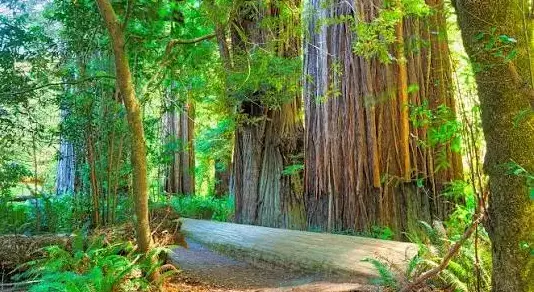
Imagine standing beneath trees so tall they disappear into the clouds. At Redwoods National Park, you’ll experience one of the most breathtaking natural landscapes on Earth. Located along the rugged coastline of Northern California, this incredible national park protects some of the tallest trees in the world, many of which have stood for more than 2,000 years.
While the towering coast redwoods are the park’s biggest attraction, there’s much more waiting to be explored. Visitors can hike through ancient forests, drive scenic parkways, walk along secluded beaches, discover hidden canyons covered in lush ferns, and spot wildlife such as Roosevelt elk, black bears, whales, and bald eagles.
Unlike many national parks that focus on mountains or deserts, Redwoods National Park offers a unique combination of towering forests, Pacific Ocean coastline, rivers, and diverse ecosystems. Whether you’re planning a weekend road trip along California’s Highway 101 or an unforgettable outdoor adventure, this guide covers everything you need to know before visiting Redwoods National Park.
If you enjoy exploring America’s most spectacular outdoor destinations, don’t miss our guides to Sequoia National Park, White Sands National Park, and Colorado Bend State Park.
Table of Contents
Quick Facts About Redwoods National Park
| Feature | Details |
|---|---|
| Location | Northern California |
| Established | 1968 |
| Famous For | World’s tallest trees |
| Size | Over 138,000 acres |
| Best For | Hiking, scenic drives, wildlife, photography |
| Annual Visitors | More than 400,000 |
| Best Time to Visit | May through October |
Where Is Redwoods National Park?
Redwoods National Park is located along California’s northern Pacific coast, stretching through Del Norte County and Humboldt County.
The park lies between the coastal cities of Crescent City and Orick, with U.S. Highway 101 running directly through many of its scenic areas.
Its location makes it an ideal stop on a Northern California road trip. Many visitors combine Redwoods National Park with destinations such as the Oregon Coast, Redwood State Parks, Crater Lake National Park, or San Francisco.
Despite its remote setting, the park is easily accessible by car and offers multiple visitor centers, scenic overlooks, hiking trails, and campgrounds.
History of Redwoods National Park
Long before becoming a national park, these forests were home to Indigenous peoples, including the Yurok, Tolowa, Karuk, and Chilula, who lived among the giant redwoods for thousands of years while carefully managing and respecting the land.
During the late 1800s and early 1900s, extensive logging threatened many of California’s ancient redwood forests. Conservationists worked tirelessly to protect the remaining old-growth trees, leading to the establishment of Redwoods National Park in 1968.
In 1978, the park was expanded to protect additional forests and watersheds. Today, Redwoods National Park works together with Del Norte Coast Redwoods State Park, Prairie Creek Redwoods State Park, and Jedediah Smith Redwoods State Park, preserving one of the world’s most important old-growth forest ecosystems.
The park has also been recognized as both a UNESCO World Heritage Site and an International Biosphere Reserve, highlighting its global environmental significance.
Redwoods National Park Map
Before exploring the park, it’s helpful to review the map and identify the major attractions.
The map includes:
- Visitor centers
- Tall Trees Grove
- Fern Canyon
- Lady Bird Johnson Grove
- Newton B. Drury Scenic Parkway
- Campgrounds
- Scenic overlooks
- Hiking trails
- Beaches
- Picnic areas
- Parking locations
Because the park covers a large area, planning your route in advance can help you experience more attractions during your visit.
Best Things to Do at Redwoods National Park
Whether you’re visiting for a single day or spending an entire week exploring Northern California, Redwoods National Park offers unforgettable experiences for every traveler.
Walk Among the Giant Redwood Trees
The park’s biggest attraction is, without question, its incredible coast redwood trees.
These ancient giants are the tallest living trees on Earth, with some reaching heights of more than 370 feet (113 meters). Walking beneath these towering forests is a truly unforgettable experience that makes visitors feel incredibly small in comparison.
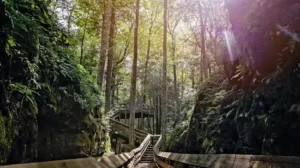
Many trails feature easy boardwalks and paved paths, making them accessible for visitors of different fitness levels.
Visit Tall Trees Grove
One of the park’s most famous locations is Tall Trees Grove, home to some of the tallest trees in the world.
A peaceful hiking trail leads visitors into an extraordinary forest where massive redwoods create a quiet, almost magical atmosphere.
Because vehicle access is limited, visitors should reserve a free day-use permit during busy seasons before arriving.
Explore Fern Canyon
Fern Canyon is one of the park’s most photographed destinations.
Its steep canyon walls are covered with lush green ferns that create a prehistoric landscape unlike anywhere else in California.
Several small streams flow through the canyon, and visitors often cross shallow water using wooden footbridges or stepping stones.
Movie fans may recognize Fern Canyon as one of the filming locations for Jurassic Park: The Lost World.
Drive the Newton B. Drury Scenic Parkway
If you’re looking for one of California’s most beautiful scenic drives, don’t miss Newton B. Drury Scenic Parkway.
This peaceful road winds through towering old-growth redwood forests, offering numerous places to stop for photographs, short walks, and wildlife viewing.
Unlike Highway 101, the scenic parkway provides a slower and quieter driving experience surrounded by some of the park’s most impressive trees.
Spot Roosevelt Elk
Redwoods National Park is also one of the best places in California to see Roosevelt elk.
Large herds are commonly spotted grazing in open meadows near Prairie Creek Redwoods State Park and Elk Prairie.
Visitors should observe wildlife from a safe distance and never attempt to approach or feed the animals.
Hiking Trails for Every Skill Level
With more than 200 miles of hiking trails, Redwoods National Park offers adventures for everyone, from casual walkers to experienced hikers.
Some of the most popular trails include:
- Lady Bird Johnson Grove Trail
- Trillium Falls Trail
- James Irvine Trail
- Cathedral Trees Trail
- Redwood Creek Trail
- Coastal Trail
- Boy Scout Tree Trail (near Jedediah Smith Redwoods State Park)
Each trail showcases a different side of the park, from towering redwoods and fern-filled forests to coastal bluffs and peaceful rivers.
Camping & Lodging at Redwoods National Park
Spending a night among the world’s tallest trees is one of the best ways to experience Redwoods National Park. Whether you enjoy tent camping, RV travel, or staying in a nearby hotel, there are plenty of accommodation options to suit every traveler.
Campgrounds
The park and its partner state parks offer several campgrounds surrounded by ancient forests, rivers, and coastal scenery.
Popular campgrounds include:
- Elk Prairie Campground
- Gold Bluffs Beach Campground
- Mill Creek Campground
- Jedediah Smith Campground
Most campgrounds provide:
- Tent campsites
- Picnic tables
- Fire rings
- Restrooms
- Drinking water
- Easy access to hiking trails
Reservations are highly recommended, especially from late spring through early fall.
RV Camping
Although RV camping is available in certain campgrounds, space can be limited due to the size of the surrounding redwood forests.
Many travelers choose nearby private RV parks in Crescent City, Klamath, and Orick, where additional services such as full hookups are available.
Hotels & Lodges
If camping isn’t your style, several comfortable hotels, cabins, and vacation rentals can be found in nearby communities.
Popular places to stay include:
- Crescent City
- Klamath
- Orick
- Trinidad
- Eureka
These locations provide convenient access to the park while offering restaurants, grocery stores, and other amenities.
Weather & Best Time to Visit
Redwoods National Park has a mild coastal climate throughout the year. Temperatures are generally comfortable, but rain and fog are common, especially during the winter months.
| Season | Weather | Best Activities |
|---|---|---|
| Spring | Cool with blooming wildflowers | Hiking, wildlife viewing |
| Summer | Mild with occasional coastal fog | Scenic drives, camping, photography |
| Fall | Comfortable temperatures and fewer crowds | Hiking, sightseeing |
| Winter | Wet and peaceful | Forest walks, photography |
Spring
Spring brings lush greenery, flowing streams, and blooming wildflowers. It’s also an excellent time to enjoy quieter hiking trails.
Summer
Summer is the most popular season thanks to pleasant temperatures and long daylight hours. Morning fog is common but usually clears later in the day.
Fall
Fall offers mild weather, fewer visitors, and excellent hiking conditions, making it one of the best times to explore the park.
Winter
Winter transforms the forests into a peaceful, misty landscape. While rainfall increases, visitors who don’t mind wet weather can enjoy a quieter experience.
Park Hours & Entrance Fees
Redwoods National Park is open year-round, allowing visitors to explore its forests during every season.
Most areas of the park are open 24 hours a day, although visitor centers operate during scheduled hours that may vary throughout the year.
One of the best things about visiting Redwoods National Park is that there is no entrance fee for the national park itself. However, some campgrounds, developed recreation areas, and special permits may require a fee.
Before visiting, check the official National Park Service website for updates on:
- Visitor center hours
- Campground availability
- Road closures
- Trail conditions
- Seasonal alerts
- Permit requirements
Nearby Attractions
If you’re planning a longer Northern California road trip, these nearby destinations are well worth visiting.
Prairie Creek Redwoods State Park
Known for its ancient forests, scenic drives, and Roosevelt elk, Prairie Creek Redwoods State Park is one of the most popular areas connected to Redwoods National Park.
Jedediah Smith Redwoods State Park
Famous for towering old-growth forests and the beautiful Smith River, this park offers some of California’s most scenic hiking trails.
Del Norte Coast Redwoods State Park
Visitors can enjoy dramatic ocean views, quiet beaches, and spectacular coastal hiking trails just minutes from the national park.
Crescent City
Located north of the park, Crescent City offers waterfront dining, beaches, museums, shopping, and the historic Battery Point Lighthouse.
Trees of Mystery
One of Northern California’s most famous roadside attractions, Trees of Mystery features giant redwoods, educational exhibits, and a scenic gondola ride above the forest.
Visitor Tips
Make your visit even more enjoyable by following these helpful travel tips.
- Wear comfortable hiking shoes with good traction.
- Bring waterproof clothing, even during summer.
- Dress in layers, as temperatures can change quickly.
- Download offline maps because cell service is limited in some areas.
- Reserve campgrounds several months in advance.
- Carry drinking water and snacks when hiking.
- Stay on marked trails to protect the fragile ecosystem.
- Keep a safe distance from wildlife, especially Roosevelt elk.
- Visit early in the morning for fewer crowds and the best photography conditions.
If you’re exploring more of America’s incredible outdoor destinations, AttractionDeck also features travel guides to Sequoia National Park, White Sands National Park, Colorado Bend State Park, Providence Canyon State Park, Kiptopeke State Park, Buccaneer State Park, Jordanelle State Park, Bonnet Springs Park, Yucaipa Regional Park, Myrtle Beach Travel Park, DreamWorks Water Park, Xtreme Action Park, San Diego Zoo Safari Park, Georgia Safari Conservation Park, Indy Scream Park, Kelly Park Rock Springs, DuBois Park, Fairfield Lake State Park, France Park, Frazier Park, and Kerry Park.
Frequently Asked Questions
Is Redwoods National Park worth visiting?
Absolutely. Redwoods National Park is one of the most spectacular national parks in the United States, offering ancient forests, scenic drives, beautiful beaches, hiking trails, and some of the tallest trees on Earth.
What is Redwoods National Park famous for?
The park is best known for protecting the world’s tallest trees—coast redwoods—as well as its stunning Pacific coastline, wildlife, and old-growth forests.
How many days do you need at Redwoods National Park?
Most visitors spend 2 to 3 days exploring the park’s major attractions, although a longer stay allows more time for hiking, scenic drives, and nearby state parks.
Is Redwoods National Park free to enter?
Yes. Entrance to Redwoods National Park is free, though camping fees and certain permits may apply for specific activities or facilities.
When is the best time to visit Redwoods National Park?
Late spring through early fall offers the best weather for hiking, camping, and sightseeing. Fall is also an excellent time thanks to fewer crowds and pleasant temperatures.
Final Thoughts
Redwoods National Park is a destination unlike any other. Standing beneath towering redwood trees that have survived for thousands of years is an unforgettable experience that reminds visitors of nature’s incredible beauty and scale.
Whether you’re hiking through ancient forests, driving scenic parkways, exploring Fern Canyon, or watching Roosevelt elk graze in peaceful meadows, every corner of the park offers something extraordinary. Add in the dramatic Pacific coastline and nearby redwood state parks, and it’s easy to see why this destination belongs on every travel bucket list.
Before planning your next adventure, be sure to explore AttractionDeck’s guides to Sequoia National Park, White Sands National Park, Colorado Bend State Park, Providence Canyon State Park, Kiptopeke State Park, Buccaneer State Park, Georgia Safari Conservation Park, San Diego Zoo Safari Park, DreamWorks Water Park, Xtreme Action Park, Jordanelle State Park, Bonnet Springs Park, Yucaipa Regional Park, Myrtle Beach Travel Park, Indy Scream Park, Kelly Park Rock Springs, DuBois Park, Fairfield Lake State Park, France Park, Frazier Park, and Kerry Park for even more unforgettable destinations across the United States.