Big Bend Ranch State Park: Hiking, Camping, Trails & Things to Do
Big Bend Ranch State Park
If you want to experience the wilder side of Texas, Big Bend Ranch State Park is the kind of place that makes you feel far away from busy roads, crowded cities, and everyday routines. The landscape is rugged, dry, and wide open, with desert mountains, rocky canyons, winding trails, and the Rio Grande forming part of the southern boundary.
This is not a park you visit just to check off a few attractions. Big Bend Ranch is better suited to travelers who enjoy exploring, hiking, camping, mountain biking, horseback riding, scenic drives, and dark desert skies.
With hundreds of thousands of acres to explore, you can spend a full day on the trails or plan a multi-day camping adventure. This guide covers Big Bend Ranch State Park hiking, camping, trails, map, fees, weather, road conditions, Rio Grande activities, mountain biking, horseback riding, and the best things to do.
Table of Contents
Where Is Big Bend Ranch State Park?
Big Bend Ranch State Park is in far West Texas, along the Rio Grande near the Texas-Mexico border.
The park lies west of Big Bend National Park and covers an enormous desert landscape. Its remote location is one of the main reasons people visit, but it also means you need to plan more carefully than you would for a typical state park.
There are long stretches without services, limited water, and remote roads, so visitors should arrive prepared.
Big Bend Ranch State Park Map
A Big Bend Ranch State Park map is extremely useful before your trip.
The park is huge, and attractions and trailheads can be spread far apart.
Before leaving, identify:
- Your entrance point
- Trailheads
- Campgrounds
- Primitive campsites
- Water sources
- Scenic roads
- Rio Grande access
- Ranger or visitor facilities
- Fuel and supply locations outside the park
Don’t rely entirely on your phone once you’re deep inside the park. Download important maps in advance and carry a backup navigation option.
Why Visit Big Bend Ranch State Park?
Big Bend Ranch State Park offers a completely different experience from many developed parks.
Instead of manicured lawns and crowded attractions, you’ll find rugged desert scenery and long stretches of open landscape.
Visitors come here to:
- Hike
- Camp
- Mountain bike
- Ride horses
- Drive 4×4 routes
- Explore canyons
- Visit the Rio Grande
- Watch wildlife
- Photograph desert landscapes
- Stargaze
- Enjoy solitude
If you like outdoor adventures that require a little preparation, this park can be an excellent choice.
Best Things to Do at Big Bend Ranch State Park
Go Hiking
Hiking is one of the best ways to experience the park.
The landscape changes constantly as trails pass through desert terrain, rocky canyons, mountains, and river environments.
Some routes are relatively short, while others require more time and preparation.
Carry plenty of water and don’t underestimate the desert heat. Even a hike that looks manageable on a map can become difficult when temperatures rise.
Explore the Closed Canyon Trail
Closed Canyon is one of the more distinctive hiking experiences in the park.
The trail leads into a narrow slot-like canyon where towering rock walls create a completely different environment from the surrounding desert.
Because the canyon can become difficult during certain weather conditions, check conditions before entering and avoid hiking there when heavy rain could create flash-flood danger.
Visit the Hoodoos
The Hoodoos area is another popular place for visitors interested in unusual rock formations.
Wind and erosion have shaped the rocks over time, creating dramatic formations that make this area especially interesting for photographers.
The scenery also shows how diverse the park can be compared with a simple desert landscape.
Explore Rancherias Canyon
Rancherias Canyon offers another opportunity to experience the rugged terrain of Big Bend Ranch.
The area is suited to visitors who want a more remote hiking experience.
Bring navigation equipment and plenty of water because you’re traveling through a large and undeveloped landscape.
Discover El Solitario
El Solitario is one of the park’s most recognizable geological features.
This massive dome-like formation rises dramatically from the surrounding desert.
It is an excellent example of the unusual geological character of the region and a rewarding destination for travelers who want to explore beyond the most accessible areas.
Mountain Biking at Big Bend Ranch State Park
Big Bend Ranch is one of the more interesting Texas state parks for mountain biking.
The combination of rugged terrain, desert scenery, rocky routes, and remote roads creates a challenging riding environment.
Mountain biking here is not the same as riding on a smooth urban trail.
Expect:
- Rocky surfaces
- Uneven terrain
- Steep sections
- Limited shade
- Long distances
- Changing weather
Bring plenty of water, repair equipment, navigation tools, and sun protection.
Explore the Rio Grande
The Rio Grande forms the southern edge of Big Bend Ranch State Park and is one of the park’s most memorable natural features.
After spending time surrounded by desert, reaching the river can feel like entering a completely different environment.
The river corridor provides opportunities for:
- Photography
- Wildlife watching
- Paddling
- Fishing in permitted areas
- Relaxing near the water
- Scenic exploration
Always check current river conditions and park regulations before planning water activities.
Kayaking, Canoeing and Rafting
The Rio Grande can provide opportunities for paddling adventures.
Kayaking, canoeing, and rafting can turn a visit into a completely different type of experience, especially for visitors who want to see the park from the river.
However, river conditions can change, and some trips require more preparation than a simple afternoon activity.
If you’re planning a multi-day river trip, research the route carefully and make sure you have enough food, water, safety equipment, and navigation resources.
Horseback Riding at Big Bend Ranch
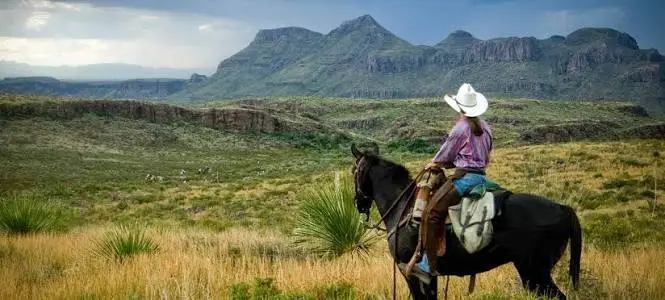
Horseback riding is another way to explore the park’s vast desert landscape.
Riding allows you to cover more ground while experiencing areas that might take much longer to reach on foot.
Because the terrain is remote and rugged, riders should be prepared for heat, rocky surfaces, limited water, and changing weather.
If you’re bringing your own horse, check the current requirements and designated equestrian areas before your trip.
4×4 Touring and Scenic Roads
Big Bend Ranch State Park is also known for its rugged roads and opportunities for four-wheel-drive exploration.
A 4×4 trip can take you deep into parts of the park that are difficult to reach with a regular passenger vehicle.
However, don’t treat the backcountry roads like normal highways.
Before driving:
- Check current road conditions
- Carry extra water
- Carry recovery equipment
- Keep fuel levels high
- Download maps
- Tell someone about your route
- Avoid traveling alone when possible
Rain can also change desert roads dramatically, so a route that was easy yesterday may become difficult or impassable after a storm.
Wildlife and Bird Watching
Despite the dry landscape, Big Bend Ranch supports a surprising variety of wildlife.
Visitors may see birds, reptiles, desert mammals, and other species adapted to the harsh environment.
The best way to improve your chances of seeing wildlife is to slow down and explore during cooler parts of the day.
Early mornings and evenings are often more comfortable for both wildlife watching and hiking.
Bring binoculars if bird watching is part of your itinerary.
Stargazing at Big Bend Ranch State Park
One of the best things about the park happens after sunset.
Because Big Bend Ranch is far from major cities, the surrounding darkness creates excellent conditions for viewing the night sky.
On a clear evening, you can see far more stars than you would in an urban area.
For the best experience:
- Choose a safe location away from bright lights
- Check the weather
- Bring a comfortable chair
- Carry a flashlight with a red-light mode
- Give your eyes time to adjust
- Avoid unnecessary vehicle lights
Stargazing can be especially memorable after a full day of hiking or exploring.
Big Bend Ranch State Park Camping
Camping at Big Bend Ranch is an experience in itself.
Unlike parks with large developed campgrounds, many camping options here are primitive and require visitors to be self-sufficient.
That means you need to plan for:
- Drinking water
- Food
- Shelter
- Waste management
- Navigation
- Weather
- Emergency situations
The reward is a much more remote experience with fewer distractions.
Primitive and Backcountry Camping
Primitive camping is ideal for experienced travelers who want to get deeper into the park.
Some sites are accessible by vehicle, while others require more effort to reach.
Don’t assume that a campsite will have water, electricity, or other amenities.
Before leaving, confirm exactly what your selected campsite provides.
Big Bend Ranch State Park Camping Permits
Camping requires planning and the appropriate permit.
If you’re staying overnight, make sure your camping arrangements are confirmed before entering the backcountry.
Keep a copy of your reservation or permit information and know exactly where your campsite is located.
For remote camping, preparation matters much more than it does at a developed campground.
What to Bring for Desert Camping
A desert camping trip requires more preparation than a typical campground weekend.
Bring:
- Plenty of drinking water
- Food
- Tent or shelter
- Sleeping bag
- First-aid supplies
- Navigation tools
- Flashlight
- Extra batteries
- Sunscreen
- Hat
- Extra clothing
- Emergency supplies
- Vehicle recovery equipment if traveling on remote roads
Never assume you’ll be able to find water or supplies once you’re inside the park.
Big Bend Ranch State Park Fees
Visitors should plan for an entrance fee as well as camping costs when staying overnight.
Daily admission and campsite prices can change, so check current rates before your trip.
Because the park is remote, it’s better to have your visit and camping arrangements organized before arriving rather than trying to figure everything out after you’ve reached the area.
Big Bend Ranch State Park Weather
Weather is one of the most important things to consider before visiting.
Summer Weather
Summer can be extremely hot, especially during the middle of the day.
Long hikes and strenuous activities can become dangerous in high temperatures.
If visiting during summer, plan outdoor activities for early morning or late afternoon and carry plenty of water.
Spring Weather
Spring is one of the more comfortable seasons for exploring the desert.
Temperatures can still vary, but hiking and camping are generally more enjoyable than during peak summer heat.
Fall Weather
Fall brings cooler conditions and can be an excellent season for hiking, biking, camping, and scenic drives.
Winter Weather
Winter can bring cold mornings and evenings, while daytime temperatures may still be comfortable.
Pack layers because desert temperatures can change significantly between day and night.
Best Time to Visit Big Bend Ranch State Park
For most visitors, spring and fall offer the best balance of comfortable temperatures and outdoor opportunities.
Summer can be challenging because of extreme heat, while winter brings colder nights.
If hiking is your main goal, choose a season with moderate temperatures.
If stargazing and solitude are more important, you may enjoy visiting during quieter periods of the year.
Big Bend Ranch State Park Road Conditions
Road conditions are particularly important here because some routes are rugged and remote.
Rain can quickly affect unpaved roads.
Before heading into the backcountry, check current conditions and determine whether your vehicle is suitable for the route.
Don’t take unnecessary chances if a road is wet, damaged, or beyond your vehicle’s capability.
Things to Do Near Big Bend Ranch State Park
Visit Big Bend National Park
Big Bend National Park is located nearby and offers another huge collection of desert landscapes, mountains, trails, and scenic drives.
If you have several days available, combining both parks can create an impressive West Texas road trip.
Explore Terlingua
The nearby community of Terlingua is a popular stop for visitors exploring the Big Bend region.
You can use it as a base for supplies, food, lodging, and exploring other regional attractions.
Explore the Rio Grande Region
The wider Big Bend area offers additional scenic drives, desert viewpoints, hiking opportunities, and small communities worth exploring.
Big Bend Ranch State Park Visitor Tips
Carry More Water Than You Think You Need
Water is one of the most important things to have in the desert.
Don’t rely on finding water inside the park.
Start Hiking Early
Morning temperatures are usually more comfortable than afternoon conditions, especially during warmer months.
Download Your Maps
Cell service can be limited in remote areas.
Download maps before entering the park and carry a backup navigation method.
Don’t Underestimate Distances
The park is enormous. Two locations that appear close on a map can take much longer to reach because of rough roads.
Check Road Conditions
Always check conditions before taking remote routes.
Tell Someone Your Plans
If you’re heading into a remote area, let someone know where you’re going and when you expect to return.
Protect the Desert
Stay on designated routes and avoid damaging fragile desert vegetation and geological features.
Is Big Bend Ranch State Park Worth Visiting?
Yes, especially if you enjoy remote landscapes and outdoor adventure.
Big Bend Ranch State Park isn’t designed for travelers who want everything close to the parking lot. Its appeal comes from the opposite experience: vast desert scenery, rugged trails, primitive camping, remote roads, the Rio Grande, and incredibly dark night skies.
Whether you’re hiking through a canyon, mountain biking across rocky terrain, camping under the stars, riding horseback, or exploring a backcountry road, the park gives you plenty of ways to experience the wild side of Texas.
If you’re prepared for the heat, distance, limited services, and rugged conditions, Big Bend Ranch State Park can be one of the most memorable outdoor destinations in Texas.
Frequently Asked Questions
Is Big Bend Ranch State Park worth visiting?
Yes. Big Bend Ranch State Park is especially worthwhile for travelers who enjoy hiking, camping, mountain biking, horseback riding, scenic drives, river activities, and remote desert landscapes. It is much more rugged and less developed than many state parks, so preparation is important.
How big is Big Bend Ranch State Park?
Big Bend Ranch State Park is the largest state park in Texas. Its huge size is one of the reasons it offers such a wide range of trails, roads, desert landscapes, and backcountry experiences.
Can you camp at Big Bend Ranch State Park?
Yes. Camping is available, including primitive and backcountry options. Visitors should plan carefully because many camping areas have limited facilities and require visitors to bring their own water and supplies.
Do you need a permit to camp at Big Bend Ranch State Park?
Yes. Camping requires the appropriate permit. It’s best to arrange your camping plans before heading into remote areas of the park.
How much does it cost to enter Big Bend Ranch State Park?
There is an entrance fee for visitors, while camping has separate fees depending on the type of campsite. Because fees can change, check the current rates before your trip.
What are the best hikes in Big Bend Ranch State Park?
Popular hiking areas include Closed Canyon, Hoodoos, Rancherias Canyon, Fresno Divide, and Ojito Adentro. The best trail depends on your available time, fitness level, and experience with desert hiking.
Can you mountain bike at Big Bend Ranch State Park?
Yes. The park has extensive trails that can be explored by mountain bikers. The terrain can be rugged, so carry plenty of water and appropriate repair and safety equipment.
Can you ride horses at Big Bend Ranch State Park?
Yes. Horseback riding is one of the activities available in the park, and several trails can be explored on horseback.
Can you drive a 4×4 in Big Bend Ranch State Park?
Yes. The park has routes suitable for four-wheel-drive vehicles. Some roads are remote and rugged, so check current conditions and make sure your vehicle is suitable before heading into the backcountry.
Can you visit the Rio Grande at Big Bend Ranch State Park?
Yes. The Rio Grande runs along the southern edge of the park and provides opportunities for scenic views, wildlife watching, and river-based activities such as paddling.
Is Big Bend Ranch State Park good for stargazing?
Yes. The park’s remote location and limited light pollution make it an excellent place for stargazing. Clear nights can reveal an impressive view of the stars.
What is the best time to visit Big Bend Ranch State Park?
Spring and fall are generally the most comfortable seasons for hiking and other outdoor activities. Summer can bring extreme heat, so visitors need to plan carefully and carry plenty of water.
Is Big Bend Ranch State Park open every day?
The park is generally open daily, although individual roads, trails, facilities, or areas may occasionally have restrictions. Check current conditions before traveling.
Conclusion
Big Bend Ranch State Park is one of those places where the journey is part of the experience. Its rugged desert mountains, deep canyons, Rio Grande scenery, remote trails, primitive campsites, and dark skies make it very different from a typical state park.
Whether you’re planning a hiking trip, mountain biking adventure, horseback ride, 4×4 exploration, river outing, or a quiet night beneath the stars, there is plenty to discover.
The key is to come prepared. Carry more water than you think you’ll need, check weather and road conditions, download your maps, and allow more time for distances than you might expect.
If you enjoy wild places and don’t mind traveling beyond developed areas, Big Bend Ranch State Park is absolutely worth adding to your Texas travel list.
Explore More State Parks
If you’re building a Texas state-park itinerary, you can also explore Cooper Lake State Park for fishing, camping, hiking, boating, and lake activities.
For another Texas destination with hiking, camping, swimming, and outdoor recreation, Tyler State Park is a good option.
If you want to explore a Colorado destination, Chatfield State Park offers a different experience around a large reservoir near Denver.
You can also explore Lassen Volcanic National Park for volcanic peaks, alpine scenery, hiking trails, and a completely different landscape.