Lassen Volcanic National Park: Complete Guide to Weather, Camping, Hikes, Roads & Best Time to Visit
Lassen Volcanic National Park
Imagine standing beside a steaming volcanic vent, walking past a bright mountain lake, and then looking up at a massive volcanic peak covered in snow. That’s what makes Lassen Volcanic National Park different from many other national parks in California.
Located in northern California, Lassen Volcanic National Park combines volcanoes, hydrothermal areas, alpine lakes, meadows, forests, and mountain trails in one spectacular landscape. The park is home to all four major types of volcanoes, while Lassen Peak rises to 10,457 feet, making it the highest point in the park.
The scenery changes dramatically with the seasons. Summer brings access to the main park highway and popular hiking trails, while winter covers much of the park in deep snow. In fact, Lassen can receive more than 30 feet of snowfall in a year, so checking Lassen National Park weather and road conditions before your trip is extremely important.
Whether you’re planning a short visit, a weekend camping trip, or a longer northern California road trip, this guide will help you understand when to visit Lassen Volcanic National Park, what to see, where to stay, which hikes to choose, and how to prepare for changing conditions.
Table of Contents
Quick Facts About Lassen Volcanic National Park
| Feature | Details |
|---|---|
| Location | Northern California |
| Park Type | National Park |
| Highest Point | Lassen Peak, 10,457 feet |
| Main Highway | Highway 89 |
| Famous For | Volcanoes, hydrothermal areas, lakes and hiking |
| Best Season | Summer to early fall |
| Camping | Yes |
| Visitor Centers | Kohm Yah-mah-nee Visitor Center and Loomis Museum |
| Entrance Fee | $30 for a 7-day vehicle pass |
| Nearest Communities | Mineral and Shingletown |
The park is open 24 hours a day, 365 days a year, but that does not mean every road, trail, campground, or facility is accessible throughout the year. Seasonal snow can significantly limit vehicle access.
Where Is Lassen Volcanic National Park?
Lassen Volcanic National Park is in northern California, roughly three hours northeast of Sacramento.
The park has two main entrances connected by Lassen Park Highway, which follows Highway 89 through the western part of the park. The closest communities are Mineral near the southwest entrance and Shingletown near the northwest entrance.
There is no public transportation directly into or within the park, so most visitors arrive by car.
If you’re driving from Sacramento, Lassen is generally a manageable road trip, while travelers coming from the San Francisco Bay Area should plan for a considerably longer journey.
Why Is Lassen Volcanic National Park Famous?
Lassen is famous primarily for its volcanic landscape.
The park contains all four major volcano types:
- Shield volcanoes
- Composite volcanoes
- Cinder cones
- Plug dome volcanoes
The most recognizable landmark is Lassen Peak, a massive plug dome volcano that reaches 10,457 feet. Lassen Peak erupted between 1914 and 1917, with the most significant eruption occurring in 1915.
But volcanoes aren’t the only reason to visit.
The park also contains steaming fumaroles, boiling springs, bubbling mudpots, alpine lakes, wildflower meadows, forests, and dramatic mountain scenery.
Lassen National Park Map
A map is especially useful when planning a Lassen Volcanic National Park trip because the park covers a large area and seasonal road conditions can affect which areas you can reach.
Use the map to locate:
- Lassen Peak
- Manzanita Lake
- Bumpass Hell
- Sulphur Works
- Kings Creek
- Kohm Yah-mah-nee Visitor Center
- Loomis Museum
- Campgrounds
- Hiking trailheads
- Park entrances
- Lassen Park Highway
The main park highway runs for about 30 miles through the western portion of the park and connects many of its most popular viewpoints and attractions.
Lassen National Park Elevation
Elevation is an important part of planning a trip to Lassen.
The park ranges from roughly 5,000 feet to 10,457 feet, creating significant differences in weather and trail conditions from one area to another.
Lassen Peak is the highest point at 10,457 feet.
The high elevation means temperatures can be much cooler than in nearby low-elevation communities. Snow can also remain on trails and roads well into summer, particularly around Lassen Peak and other high-elevation areas.
If you’re not accustomed to hiking at elevation, start slowly, drink plenty of water, and don’t underestimate the difficulty of steep trails.
Best Things to Do in Lassen Volcanic National Park
There is much more to Lassen than simply driving through the park. You can spend several days hiking, exploring volcanic features, camping, photographing lakes, and enjoying the mountain scenery.
Drive Lassen Park Highway
For first-time visitors, driving the main park highway is one of the easiest ways to experience Lassen.
The route passes many of the park’s most popular attractions and viewpoints. Pullouts along the highway provide opportunities to stop for photographs, wildlife viewing, and short walks.
Allow plenty of time rather than treating the highway as a simple route from one entrance to another.
Explore Bumpass Hell
Bumpass Hell is one of Lassen’s best-known hydrothermal areas.
The landscape features steaming vents, colorful mineral deposits, and other evidence of volcanic activity beneath the surface.
Stay on designated trails and boardwalks around hydrothermal areas. The ground can be unstable and extremely hot in places.
Visit Sulphur Works
Sulphur Works is another easily accessible hydrothermal area located near the main park highway.
Visitors can see steaming vents and bubbling features without committing to a long hike, making it a particularly good stop for families and travelers with limited time.
See Manzanita Lake
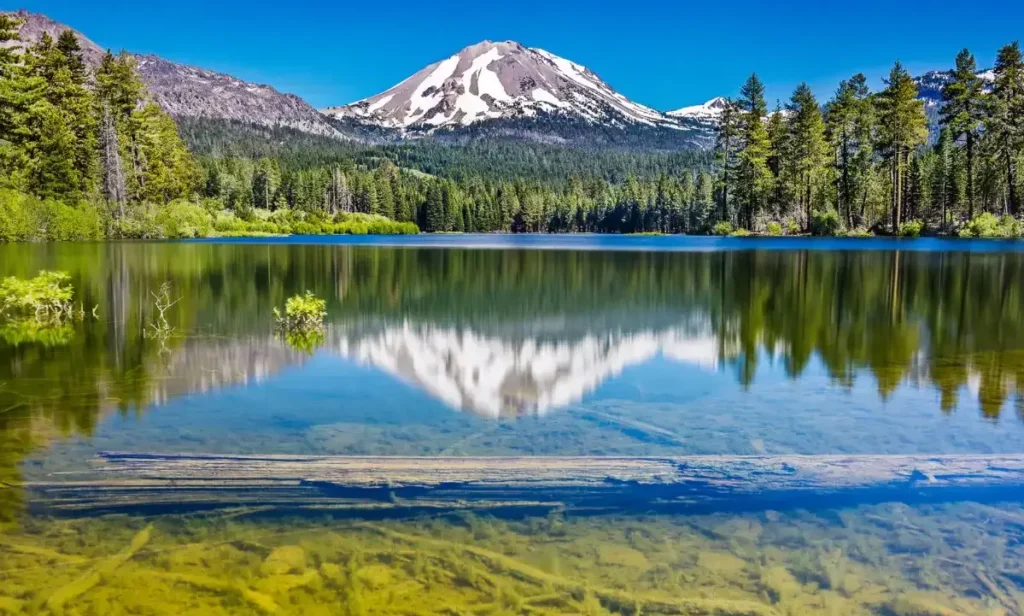
Manzanita Lake is one of the park’s most scenic areas.
The calm water provides beautiful reflections of Lassen Peak, especially during early morning and evening.
The area is also useful for camping, fishing, boating, photography, and relaxing beside the lake.
Visit the Visitor Center
The Kohm Yah-mah-nee Visitor Center is the park’s dedicated visitor center and is open year-round. It includes park information, a bookstore, gift shop, and food services.
The Loomis Museum near the northwest entrance provides another opportunity to learn about Lassen’s volcanic history and park environment. It operates seasonally.
Go Wildlife Watching
Lassen’s varied elevations and habitats support a diverse range of plants and animals.
The park contains more than 700 flowering plant species and provides habitat for approximately 250 vertebrate species.
Keep an eye out for birds, deer, squirrels, and other mountain wildlife while hiking or driving through the park.
Best Hikes in Lassen Volcanic National Park
Lassen offers hiking opportunities ranging from short walks around scenic areas to strenuous mountain climbs.
Lassen Peak Trail
The Lassen Peak Trail is one of the park’s signature hikes.
The round trip is about 5 miles and takes approximately 4 to 5 hours. The trail starts around 8,500 feet and gains roughly 1,957 feet before reaching the summit area. NPS rates it as strenuous.
The trail provides panoramic views of the surrounding volcanic landscape, but high elevation and steep terrain make it a serious hike.
Bumpass Hell Trail
This trail leads to Lassen’s largest hydrothermal area, where visitors can see steaming vents, colorful pools, and volcanic activity up close.
Check current trail conditions before heading out because snow can remain at higher elevations well into the season.
Manzanita Lake Area Trails
For a more relaxed experience, trails around Manzanita Lake provide beautiful views without the intensity of Lassen Peak.
This area is particularly good for families, photographers, and visitors who only have a few hours in the park.
Lassen National Park Weather
Weather is one of the most important things to check before visiting Lassen Volcanic National Park. Because of the park’s high elevation, conditions can change quickly, and temperatures are often much cooler than in surrounding areas.
Summer is generally the easiest season for accessing the main park road and higher-elevation hiking trails. Even then, snow can remain on some trails.
Winter brings heavy snowfall, and many areas become accessible only by snowshoes or skis. The National Park Service advises visitors to check current weather and conditions before traveling because storms can bring snow, rain, wind, and sudden temperature changes.
Lassen Volcanic National Park in Spring
Spring can still feel like winter at higher elevations. Snow may cover trails, campgrounds, and roads, while lower areas begin to warm up.
April and May are therefore not always the best months if your main goal is hiking the park’s high-elevation trails.
Lassen Volcanic National Park in Summer
Summer is generally the most popular time to visit. Roads gradually reopen as snow melts, and more hiking trails become accessible.
July and August usually offer the best opportunity to explore the park’s major attractions by car, although exact opening dates vary each year depending on snow conditions.
Lassen Volcanic National Park in Fall
Early fall can be an excellent time to visit. Temperatures become cooler, crowds usually decrease, and the landscape takes on beautiful autumn colors.
However, winter weather can arrive quickly at higher elevations, so always check the forecast and road conditions before traveling.
Lassen Volcanic National Park in Winter
Winter completely transforms Lassen into a snowy mountain landscape.
The main park highway is typically closed to vehicles during the snowy season, but visitors can still enjoy activities such as snowshoeing and cross-country skiing in appropriate areas.
Best Time to Visit Lassen Volcanic National Park
For most travelers, summer through early fall is the best time to visit Lassen Volcanic National Park.
July, August, and early September generally provide the best combination of road access, hiking opportunities, camping, and pleasant daytime conditions.
However, the ideal month depends on what you want to do.
| Month/Season | Access | Best For |
|---|---|---|
| April | Limited | Snow activities |
| May | Limited | Low-elevation exploration |
| June | Improving | Early-season trips |
| July | Excellent | Hiking and sightseeing |
| August | Excellent | Camping and hiking |
| September | Excellent | Hiking and photography |
| October | Variable | Fall scenery |
| Winter | Snow-dependent | Snowshoeing and skiing |
Is April a Good Time to Visit Lassen Volcanic National Park?
April can be a beautiful time for winter recreation, but it isn’t usually the best month for a traditional Lassen sightseeing trip.
Many higher areas can still be covered in snow, and the main park highway may not be open to vehicles.
If you’re visiting in April, check current road and trail conditions before making plans.
Lassen Volcanic National Park in May
May is a transition period.
Lower elevations may begin showing signs of spring, but significant snow can remain around higher areas. Visitors should not assume that warmer weather means the entire park is accessible.
Is July a Good Time to Visit Lassen Volcanic National Park?
Yes. July is generally one of the best months for visiting Lassen.
The main roads and many popular hiking areas are typically much more accessible than earlier in the year, although opening dates depend on snow removal and weather conditions.
Lassen National Park Road Conditions
Road conditions can have a major impact on your Lassen trip.
The Lassen Park Highway is normally closed during winter because of heavy snow. Snow removal begins as conditions allow, but the exact opening date varies from year to year.
Even after the road opens, temporary closures can occur because of snowstorms, fallen trees, maintenance, or other hazards.
Before driving to the park, check the latest National Park Service road conditions rather than relying on an old travel guide or previous year’s opening date.
When Does Lassen National Park Open?
There is an important difference between the park being open and the main park highway being open.
Lassen Volcanic National Park itself is open year-round, but the main park road is subject to seasonal closure. Some facilities and campgrounds also operate seasonally.
This means you can potentially visit Lassen in winter, but you may not be able to drive across the park or access every attraction.
Lassen Volcanic National Park Camping
Camping is one of the best ways to experience Lassen after the day visitors have left.
The park has several campgrounds, although their operating seasons vary depending on snow and other conditions.
Popular camping areas include:
Manzanita Lake Campground
Manzanita Lake is one of the most popular camping areas in the park.
Its location near the lake makes it especially attractive for families, photographers, anglers, and visitors who want easy access to scenic surroundings.
Butte Lake Campground
Butte Lake provides a more remote camping experience and is a good option for visitors interested in hiking and exploring the northeastern part of the park.
Summit Lake Campgrounds
The Summit Lake area offers camping near a scenic alpine lake and provides access to nearby hiking opportunities.
Because campground opening dates can change with weather and snow conditions, check the current National Park Service information before making reservations.
Lassen National Park Campgrounds
Camping options in and around Lassen include developed campgrounds as well as nearby private lodging and camping facilities.
When choosing a campground, consider:
- Distance from your planned hikes
- Road accessibility
- Water availability
- Restroom facilities
- Reservation requirements
- Seasonal opening dates
- Vehicle or RV requirements
For busy summer weekends, booking ahead is strongly recommended.
Lodging Near Lassen National Park
If camping isn’t your thing, you don’t have to sleep inside the park.
Several communities surrounding Lassen offer hotels, cabins, vacation rentals, and other accommodation options.
Mineral
Mineral is one of the closest communities to the southwest entrance and is a convenient base for exploring the southern and western sections of the park.
Shingletown
Shingletown is located near the northwest side of Lassen and offers additional lodging and dining options.
Chester
Chester is farther from some park attractions but can be useful for visitors exploring the northern or eastern side of the region.
When searching for hotels near Lassen National Park, compare the driving distance to the specific entrance and attractions you plan to visit rather than choosing accommodation based only on the town name.
Lassen Volcanic National Park Tickets and Entrance Fees
Lassen Volcanic National Park charges an entrance fee for visitors arriving by private vehicle, motorcycle, or on foot.
The standard vehicle entrance fee is $30 for a 7-day pass, while other fee options are available for motorcycles, individuals, and annual passes. Fee information can change, so visitors should verify the current price before their trip.
An America the Beautiful pass may also be useful for travelers planning to visit several U.S. national parks during the year.
How Many Days Do You Need at Lassen Volcanic National Park?
For a first visit, 2 days is a good starting point.
One day can cover the major roadside attractions, while a second day gives you time for hiking and exploring at a slower pace.
One Day in Lassen
With only one day, focus on:
- Lassen Park Highway
- Sulphur Works
- Bumpass Hell
- Manzanita Lake
- Major viewpoints
- A short hike
Two Days in Lassen
With two days, you can add:
- Lassen Peak or another major hike
- More time around Manzanita Lake
- Additional volcanic features
- Wildlife watching
- A longer scenic drive
Three Days or More
Three or more days are ideal for travelers who want to combine hiking, camping, photography, fishing, and relaxed exploration.
Sacramento to Lassen National Park
Driving from Sacramento to Lassen Volcanic National Park is a popular northern California road trip.
The exact travel time depends on your destination within the park, traffic, weather, and which entrance you use.
If you’re driving from Sacramento, plan your route carefully and check road conditions before leaving. Don’t forget that seasonal closures can affect routes around the park.
San Francisco to Lassen National Park
Traveling from San Francisco to Lassen Volcanic National Park takes considerably longer than the drive from Sacramento.
For travelers starting in the Bay Area, Lassen works well as part of a larger northern California road trip rather than a quick day trip.
Consider combining Lassen with destinations such as Lake Tahoe, Mount Shasta, or other northern California attractions if you have several days available.
Visitor Centers
Lassen has two important visitor facilities.
Kohm Yah-mah-nee Visitor Center
Located near the southwest entrance, the Kohm Yah-mah-nee Visitor Center provides information about park conditions, trails, weather, and activities.
It also includes exhibits, a bookstore, gift shop, and food services.
Loomis Museum
The Loomis Museum is located near Manzanita Lake and focuses on Lassen’s volcanic history and natural environment.
It is a seasonal facility, so check current operating dates before visiting.
Lassen Volcanic National Park Webcam
A Lassen Volcanic National Park webcam can be useful when planning a trip, particularly during shoulder seasons and winter.
Webcam views can help travelers get a better idea of current conditions, but they should not replace official road closures, weather forecasts, and National Park Service alerts.
Lassen Volcanic National Park Photos
Lassen is one of the most photogenic volcanic landscapes in California.
Some of the best photography locations include:
- Lassen Peak
- Manzanita Lake
- Bumpass Hell
- Sulphur Works
- Emerald Lake
- Kings Creek
- Alpine meadows
- Snow-covered volcanic landscapes
Early morning and late afternoon often provide softer light and fewer visitors, making these excellent times for landscape photography.
Is Lassen Volcanic National Park Worth Visiting?
Absolutely.
Lassen may not receive the same attention as Yosemite or Yellowstone, but that’s part of its appeal.
It offers volcanic landscapes, hydrothermal features, alpine lakes, mountain trails, camping, wildlife, and scenic drives without requiring the same level of planning associated with some of America’s busiest national parks.
For travelers looking for a quieter California national park with a strong combination of geology and outdoor recreation, Lassen is a fantastic choice.
Lassen Volcanic National Park Visitor Tips
Keep these tips in mind before your trip:
- Check the official road conditions before driving.
- Check the weather forecast immediately before leaving.
- Bring layers because temperatures can change quickly.
- Carry plenty of water when hiking.
- Allow extra time for high-elevation trails.
- Reserve campsites early during summer.
- Stay on designated trails around hydrothermal areas.
- Never approach or touch hot springs and volcanic features.
- Download or carry offline maps because cell service can be limited.
- Fill your vehicle with fuel before entering remote areas.
- Start popular hikes early to avoid crowds.
- Respect wildlife and never feed animals.
Frequently Asked Questions
Is Lassen Volcanic National Park open?
The park is open year-round, but individual roads, trails, campgrounds, and facilities can close seasonally. The main park highway normally closes during the snowy winter season. Always check current conditions before visiting.
What is Lassen Volcanic National Park famous for?
Lassen is famous for its volcanic landscape, hydrothermal features, Lassen Peak, alpine lakes, hiking trails, and the fact that all four major types of volcanoes are represented within the park.
What is the best time to visit Lassen Volcanic National Park?
Summer and early fall are generally the best times for road trips, hiking, camping, and sightseeing. July through September usually provides the most reliable access, although conditions vary by year.
How many days should you spend at Lassen Volcanic National Park?
Two days is ideal for a first visit. One day is enough for major roadside attractions, while two or three days allow time for hiking, camping, photography, and a more relaxed experience.
Can you camp at Lassen Volcanic National Park?
Yes. The park has several campgrounds, including areas around Manzanita Lake, Butte Lake, and Summit Lake. Campground availability varies by season and weather.
What is the elevation of Lassen Volcanic National Park?
The park ranges from approximately 5,000 feet to 10,457 feet. Lassen Peak is the highest point at 10,457 feet.
Is April a good time to visit Lassen Volcanic National Park?
April can be good for snow-based recreation, but it is generally not the easiest month for visitors hoping to explore the park by car or hike high-elevation trails.
Is July a good time to visit Lassen Volcanic National Park?
Yes. July is generally one of the better months for hiking and sightseeing, although visitors should still check current road and trail conditions.
How far is Lassen National Park from Sacramento?
Lassen is roughly a three-hour drive from Sacramento depending on your destination, route, traffic, and road conditions.
Are there hotels near Lassen Volcanic National Park?
Yes. Travelers can find hotels, cabins, vacation rentals, and other lodging options in communities such as Mineral, Shingletown, and Chester.
Final Thoughts
Lassen Volcanic National Park is one of California’s most interesting destinations for travelers who want something beyond the state’s famous beaches and crowded mountain parks. Its combination of volcanoes, hydrothermal areas, alpine lakes, forests, wildlife, and challenging hiking trails makes every visit different.
The biggest thing to remember is that seasonal conditions matter. Lassen’s elevation and heavy snowfall can affect road access, hiking trails, campgrounds, and visitor facilities. Before you leave, check the latest weather, road conditions, and park alerts.
For the best overall experience, plan your trip for summer or early fall, spend at least two days exploring, and leave enough time to experience the volcanic features rather than simply driving through.
If you enjoy national parks that combine dramatic scenery with fascinating geology, Lassen Volcanic National Park deserves a place on your California travel list.
Explore More National Parks and Outdoor Destinations
If you enjoyed exploring Lassen Volcanic National Park, there are plenty of other scenic parks across the United States worth adding to your travel list. From dramatic desert landscapes to peaceful riverside escapes, each destination offers a different outdoor experience.
For another unforgettable California adventure, check out our guide to Redwoods National Park, home to some of the world’s tallest trees. If you’re interested in dramatic desert scenery and unique geological formations, Canyonlands National Park and Coral Pink Sand Dunes State Park are also worth exploring.
Travelers looking for camping, hiking, and water-based activities can discover Steamboat Rock State Park, while Custer State Park offers beautiful scenery and abundant wildlife in South Dakota. For a relaxing riverside getaway, our guide to Kankakee River State Park is another great option.
Explore these destinations and discover more national parks, state parks, and outdoor escapes across the United States.