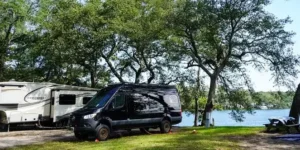
Great Smoky Mountains National Park: Complete Visitor Guide
Great Smoky Mountains National Park
If you’ve ever wanted to see misty mountain ridges, peaceful forests, rushing waterfalls, and wildlife in one place, Great Smoky Mountains National Park is the kind of destination that can easily turn a simple trip into a memorable adventure.
Straddling the border of Tennessee and North Carolina, the park is America’s most visited national park and protects more than 500,000 acres of forests, mountains, streams, and historic landscapes. It is especially known for its incredible biodiversity, scenic drives, hiking trails, waterfalls, and the famous blue haze that often hangs over the mountains.
The best part is that you don’t need to be an experienced hiker to enjoy the Smokies. You can spend the day driving through mountain roads, visiting historic buildings, watching wildlife, taking a short waterfall hike, or simply stopping at a scenic overlook.
This guide covers everything you need to know before visiting, including Great Smoky Mountains National Park weather, map, camping, best hikes, waterfalls, wildlife, entrance fees, lodging, cabins, nearby towns, and the best time to visit.
Table of Contents
Quick Facts About Great Smoky Mountains National Park
| Feature | Details |
|---|---|
| Location | Tennessee and North Carolina |
| Established | 1934 |
| Park Size | More than 500,000 acres |
| Famous For | Mountains, forests, wildlife, waterfalls |
| Highest Point | Clingmans Dome |
| Best For | Hiking, camping, scenic drives, wildlife |
| Entrance Fee | No general entrance fee |
| Camping | Yes |
| Best Season | Spring and fall |
| Nearest Popular Town | Gatlinburg, Tennessee |
Where Is Great Smoky Mountains National Park?
Great Smoky Mountains National Park sits along the Tennessee–North Carolina border in the southern Appalachian Mountains.
The park has several major entrances, with the most popular access points located near Gatlinburg, Townsend, and Cherokee.
Gatlinburg is particularly popular with first-time visitors because it provides easy access to the park’s northern side and many well-known attractions. Cherokee, North Carolina, provides access from the southern side.
Because the park is so large, choosing the right entrance can save you considerable driving time.
If you are staying in Gatlinburg, for example, you can quickly reach areas such as Newfound Gap and Clingmans Dome. Visitors staying near Cherokee can explore the southern portion of the park and nearby scenic routes.
Great Smoky Mountains National Park Map
A map is extremely useful when planning a Smoky Mountains trip because the park is much larger than many first-time visitors expect.
Use the map to locate:
- Park entrances
- Gatlinburg
- Cades Cove
- Clingmans Dome
- Newfound Gap
- Newfound Gap Road
- Roaring Fork
- Cataloochee
- Oconaluftee Visitor Center
- Sugarlands Visitor Center
- Hiking trailheads
- Campgrounds
- Picnic areas
- Waterfalls
- Scenic overlooks
Before starting your drive, check current road conditions because mountain roads can close temporarily because of weather, construction, fallen trees, or other conditions.
Why Is Great Smoky Mountains National Park Famous?
Great Smoky Mountains National Park is famous for its spectacular mountain scenery and exceptional biodiversity.
The park contains thousands of plant species and provides habitat for animals such as black bears, elk, deer, wild turkeys, and hundreds of bird species.
The name “Smoky” comes from the natural bluish haze that often surrounds the mountain ridges. This haze is created by moisture and natural organic compounds released by the abundant vegetation.
The park is also known for its historic Appalachian structures. Old cabins, churches, mills, and other buildings help visitors understand how families lived in the mountains before the area became a national park.
Best Things to Do in Great Smoky Mountains National Park
You could spend several days exploring the Smokies and still have places left to discover.
Here are some of the best things to do during your visit.
Go Hiking
Hiking is one of the biggest reasons people visit Great Smoky Mountains National Park.
The park has hundreds of miles of trails ranging from short, relatively easy walks to demanding mountain hikes.
You can choose a trail based on your fitness level and the amount of time available.
Short trails are perfect for families or visitors with limited time, while longer routes lead to waterfalls, mountain peaks, historic areas, and panoramic viewpoints.
Visit Cades Cove
Cades Cove is one of the most popular areas of the park.
This beautiful valley is surrounded by mountains and features an 11-mile scenic loop where visitors can enjoy mountain views, historic buildings, fields, forests, and opportunities to see wildlife.
The loop can become busy, especially during peak seasons, so starting early is a smart idea.
Allow plenty of time because you’ll likely want to stop at several overlooks and historic sites along the way.
See Clingmans Dome
Clingmans Dome is the highest point in Great Smoky Mountains National Park and the highest point in Tennessee.
A steep paved trail leads from the parking area to the observation tower.
On clear days, the viewpoint offers spectacular panoramic views across the surrounding Appalachian Mountains.
However, weather at the summit can be very different from conditions in nearby towns. Clouds, fog, strong winds, and cooler temperatures are common.
Drive Newfound Gap Road
Newfound Gap Road is one of the most scenic routes through the park.
The road crosses the mountains between Tennessee and North Carolina and provides access to several overlooks, trailheads, and attractions.
It’s a great option for travelers who want to experience the Smokies without spending the entire day hiking.
Explore Roaring Fork
Roaring Fork Motor Nature Trail offers a beautiful drive through forested mountain scenery.
Along the route, you’ll find historic cabins, streams, waterfalls, and hiking opportunities.
It’s particularly enjoyable in spring and fall when the surrounding forest becomes especially colorful.
Visit the Waterfalls
The Smokies are home to numerous waterfalls, making waterfall hikes one of the most popular activities in the park.
Some trails lead to relatively easy-to-reach waterfalls, while others require several miles of hiking.
Remember that trails can be wet and slippery near waterfalls. Wear shoes with good traction and never climb on wet rocks around fast-moving water.
Watch for Wildlife
Wildlife watching is another major attraction.
The park is especially famous for its American black bears, but visitors may also encounter:
- White-tailed deer
- Elk
- Wild turkeys
- Groundhogs
- Squirrels
- Birds
- Salamanders
Seeing wildlife is exciting, but keep your distance and never feed animals.
Black bears are wild animals and should always be treated with caution.
Great Smoky Mountains National Park Wildlife
The park’s rich biodiversity is one of its defining characteristics.
Its forests range from lower-elevation hardwood forests to spruce-fir forests at higher elevations. This variation creates habitats for a huge variety of plants and animals.
Spring is particularly interesting for wildlife and plant lovers because wildflowers begin appearing throughout the park.
Fall, meanwhile, brings colorful foliage and attracts large numbers of visitors hoping to see the mountains covered in autumn colors.
Best Hikes in Great Smoky Mountains National Park
Choosing the right hike depends on your available time, fitness level, weather, and trail conditions.
Some popular hikes include:
Laurel Falls Trail
Laurel Falls is one of the most popular waterfall hikes in the park.
The trail leads to an attractive multi-level waterfall and is a common choice for visitors looking for a relatively short hike.
Because it is popular, expect crowds during busy periods.
Alum Cave Trail
Alum Cave Trail is a more challenging option and leads through impressive mountain scenery.
The trail is also part of the route toward Mount Le Conte for hikers planning a longer adventure.
Chimney Tops Trail
Chimney Tops is known for its steep climb and rewarding mountain views.
Although relatively short compared with many longer Smokies hikes, the elevation gain makes it more demanding than the distance might suggest.
Abrams Falls Trail
Abrams Falls is located in the Cades Cove area and leads to one of the park’s most recognizable waterfalls.
The trail passes through beautiful forest scenery before reaching the waterfall.
Clingmans Dome Trail
For visitors wanting to reach the highest point in the park, the Clingmans Dome trail is the obvious choice.
The paved route is short but steep, and the high elevation can make it feel harder than expected.
Great Smoky Mountains National Park Camping
Camping is one of the best ways to experience the Smokies.
The National Park Service operates several campgrounds throughout the park, with different locations offering different experiences.
Camping allows you to stay close to hiking trails, scenic drives, wildlife areas, and mountain landscapes.
Popular campground areas include:
- Elkmont
- Cades Cove
- Smokemont
- Cosby
- Cataloochee
- Abrams Creek
Campground availability and operating seasons can vary, so check current conditions before planning your trip.
Backcountry Camping
Experienced hikers can also explore the park’s backcountry camping opportunities.
Backcountry camping requires more preparation than staying at a developed campground. You’ll need to understand the regulations, choose an appropriate campsite, carry the right equipment, and follow food-storage rules.
If you’re new to backcountry camping, a developed campground is usually the easier choice.
Great Smoky Mountains National Park Weather
Weather in the Smokies can change quickly because of the park’s mountainous terrain and elevation differences.
A warm and sunny morning in Gatlinburg does not necessarily mean the weather will be the same at Clingmans Dome.
Visitors should be prepared for:
- Rain
- Fog
- Strong winds
- Cooler temperatures at high elevations
- Sudden storms
- Snow and ice during winter
Always check the forecast for the specific area you’re planning to visit rather than relying only on the weather in nearby towns.
Best Time to Visit Great Smoky Mountains National Park
There isn’t one perfect season for everyone.
The best time depends on whether you’re interested in wildflowers, hiking, waterfalls, wildlife, or fall foliage.
Spring
Spring is an excellent time to visit if you enjoy wildflowers and fresh green forests.
Temperatures are generally comfortable for hiking, and waterfalls can be particularly impressive when streams are flowing strongly.
Summer
Summer is the busiest season.
Longer daylight hours make it ideal for hiking, camping, and scenic drives, but popular areas can become crowded.
Start your activities early whenever possible.
Fall
Fall is one of the most popular times to visit because of the colorful foliage.
Mountain slopes can become covered in shades of red, orange, yellow, and gold.
The downside is that roads, parking areas, and popular trails can become extremely busy.
Winter
Winter offers a much quieter experience.
Some higher-elevation areas may receive snow and ice, while lower elevations can remain accessible.
Winter visitors should carefully check road conditions and prepare for rapidly changing mountain weather.
Great Smoky Mountains National Park Entrance Fee
One of the biggest advantages of visiting Great Smoky Mountains National Park is that there is no general entrance fee to enter the park.
However, visitors staying for more than a short stop should know about the park’s parking tag requirement. A valid parking tag is required for vehicles parked within the park for more than 15 minutes.
Parking tags are available in different durations, including daily, weekly, and annual options. Because prices and rules can change, check the current National Park Service information before your trip.
The parking fee helps support services and facilities throughout the park while keeping the park itself free to enter.
Great Smoky Mountains National Park Visitor Centers
Visitor centers are useful stops, especially if this is your first trip to the Smokies.
They provide maps, trail information, current weather updates, road information, exhibits, and guidance about activities in the park.
Sugarlands Visitor Center
Sugarlands Visitor Center is located close to Gatlinburg and is one of the most convenient visitor centers for travelers entering from Tennessee.
It is a good first stop if you want information about hiking trails, road conditions, wildlife, and nearby attractions.
Oconaluftee Visitor Center
Oconaluftee Visitor Center is located near Cherokee, North Carolina.
The surrounding area is known for its mountain scenery, wildlife viewing, and historic attractions.
The nearby Mountain Farm Museum is also worth visiting if you’re interested in the history of Appalachian life.
Clingmans Dome Visitor Information
There isn’t a traditional visitor center at the summit of Clingmans Dome, but the area has informational signs and facilities near the parking area.
Remember that Clingmans Dome Road is seasonal, so check its current status before planning your visit.
Great Smoky Mountains National Park Cabins
Staying in a cabin near the Smokies is a popular alternative to camping.
You’ll find hundreds of cabins and vacation rentals around the park, especially around Gatlinburg, Pigeon Forge, Sevierville, and Townsend.
Cabins can be a good choice for families or groups who want more space and amenities than a campground provides.
Depending on the property, you may find:
- Private bedrooms
- Kitchens
- Fireplaces
- Hot tubs
- Mountain views
- Outdoor decks
- Wi-Fi
- Parking
Keep in mind that cabins inside Great Smoky Mountains National Park are not the same as private cabin rentals outside the park. Most commercial cabin rentals are located in nearby communities rather than within the national park itself.
Hotels Near Great Smoky Mountains National Park
If you prefer a hotel, there are plenty of accommodation options around the park.
Hotels Near Gatlinburg
Gatlinburg is one of the most convenient bases for exploring the Tennessee side of the park.
It’s particularly useful if you want to combine national park activities with restaurants, attractions, and entertainment outside the park.
Hotels Near Pigeon Forge
Pigeon Forge is farther from some park entrances but offers a huge selection of hotels, restaurants, family attractions, and vacation rentals.
It works well for travelers who want to combine a Smoky Mountains trip with other Tennessee attractions.
Hotels Near Cherokee
Cherokee is a convenient base for exploring the North Carolina side of the park.
It’s particularly useful if your itinerary includes Oconaluftee, Newfound Gap, or southern park attractions.
Hotels Near Townsend
Townsend is a quieter alternative to Gatlinburg and is often preferred by travelers looking for a more relaxed mountain-town atmosphere.
Things to Do in Great Smoky Mountains National Park With Kids
The Smokies can be a fantastic family destination because you don’t need to complete difficult hikes to enjoy the park.
Families can:
- Drive Cades Cove Loop
- Look for wildlife
- Visit historic cabins
- Walk around mountain streams
- Explore easy trails
- Visit waterfalls
- Stop at scenic overlooks
- Have a picnic
- Visit visitor centers
- Explore the Mountain Farm Museum
For younger children, choose shorter trails and scenic stops rather than planning an entire day around strenuous hikes.
Great Smoky Mountains National Park Waterfalls
Waterfalls are one of the most popular attractions in the park.
Rain and mountain streams feed numerous waterfalls throughout the Smokies, and several can be reached by hiking trails.
Some popular waterfall destinations include:
- Laurel Falls
- Abrams Falls
- Grotto Falls
- Rainbow Falls
- Ramsey Cascades
Conditions vary throughout the year, so don’t judge a waterfall only by photographs you see online.
After heavy rainfall, water levels can rise quickly and trails near streams can become slippery.
Great Smoky Mountains National Park Scenic Drives
You don’t have to hike all day to experience the beauty of the park.
Several scenic roads provide excellent mountain views.
Cades Cove Loop Road
The 11-mile loop through Cades Cove is one of the park’s most famous scenic drives.
Expect to stop frequently because the valley contains historic structures, mountain scenery, fields, and wildlife-viewing opportunities.
Newfound Gap Road
This road crosses the main ridge of the Smokies and connects Tennessee with North Carolina.
It’s one of the best choices for visitors who want to experience changing elevations and panoramic mountain scenery.
Roaring Fork Motor Nature Trail
This one-way loop provides a slower, more intimate experience with forests, streams, historic buildings, and waterfalls.
Is Great Smoky Mountains National Park Open?
Yes, Great Smoky Mountains National Park is open year-round, but individual roads, trails, campgrounds, and facilities can close temporarily or seasonally.
Weather is one of the biggest factors affecting access.
Before leaving your hotel or cabin, check current park alerts and road conditions, especially during winter, spring storms, and periods of heavy rainfall.
Don’t assume that a road will be open simply because it was accessible during your previous visit.
How Many Days Do You Need in Great Smoky Mountains National Park?
For a first visit, 3 days is a good amount of time.
One day can give you a quick introduction, but you’ll have to choose between scenic drives and hiking.
One Day in the Smokies
If you only have one day, focus on:
- Cades Cove
- Newfound Gap Road
- One short hike
- A scenic overlook
- One waterfall or historic area
Two Days in the Smokies
With two days, you can add:
- Clingmans Dome
- A longer waterfall hike
- Roaring Fork
- More wildlife viewing
Three Days in the Smokies
Three days gives you much more flexibility.
You can explore both sides of the park, complete a few hikes, visit waterfalls, drive scenic roads, and still have time to slow down and enjoy the mountain scenery.
Gatlinburg to Great Smoky Mountains National Park
Gatlinburg is located directly next to the Tennessee side of Great Smoky Mountains National Park, making it one of the easiest places to stay for a park visit.
From Gatlinburg, visitors can quickly reach the Sugarlands area and access roads leading deeper into the mountains.
One advantage of staying in Gatlinburg is that you can combine a day in the national park with restaurants, shops, and attractions in town.
Pigeon Forge to Great Smoky Mountains National Park
Pigeon Forge is another popular base for Smoky Mountains visitors.
It offers a large selection of hotels, cabins, restaurants, and family attractions.
Although it is farther from some park areas than Gatlinburg, it can be a good option for families who want to combine outdoor activities with entertainment.
Plan your departure early if you are heading into the park during the busiest summer and fall periods.
Cherokee to Great Smoky Mountains National Park
Cherokee provides access to the North Carolina side of the park.
The Oconaluftee area is especially convenient for visitors staying in Cherokee.
From here, you can explore historic sites, mountain roads, hiking trails, wildlife-viewing areas, and routes toward Newfound Gap.
Great Smoky Mountains National Park Travel Tips
A little preparation can make your trip much easier.
Start Early
Popular areas such as Cades Cove, Clingmans Dome, and major trailheads can become busy.
Starting early gives you better parking opportunities and a quieter experience.
Carry Water
Even relatively short hikes can feel harder because of elevation and summer heat.
Bring enough water for your planned hike and avoid depending on streams as your primary water source.
Check Road Conditions
Mountain roads can close because of snow, ice, flooding, rockfalls, fallen trees, or maintenance.
Always check current conditions before driving.
Don’t Feed Wildlife
Wild animals should never be fed.
Feeding wildlife can make animals dependent on humans and create dangerous situations for both visitors and animals.
Bring Layers
Mountain weather can change quickly.
Even if Gatlinburg feels warm, higher elevations can be much colder and windier.
Download Maps Before Your Trip
Cell service can be unreliable in parts of the park.
Having an offline map can be extremely useful when navigating trailheads and remote areas.
Great Smoky Mountains National Park FAQs
What is Great Smoky Mountains National Park known for?
The park is best known for its Appalachian mountain scenery, forests, waterfalls, wildlife, hiking trails, historic structures, and exceptional biodiversity.
Is Great Smoky Mountains National Park free?
There is no general entrance fee, but visitors parking in the park for more than 15 minutes need a valid parking tag.
What is the best month to visit Great Smoky Mountains National Park?
It depends on your goals. Spring is excellent for wildflowers, summer is good for hiking and camping, and fall is ideal for colorful foliage.
How many days are enough for the Smoky Mountains?
Two to three days is a good starting point for first-time visitors. Longer stays allow you to explore more trails, waterfalls, scenic drives, and historic areas.
Can you see bears in Great Smoky Mountains National Park?
Yes. Black bears live throughout the park, but sightings are never guaranteed. Keep a safe distance and never approach or feed a bear.
What are the best hikes in Great Smoky Mountains National Park?
Popular hikes include Laurel Falls, Alum Cave, Chimney Tops, Abrams Falls, Rainbow Falls, and Clingmans Dome.
Is Great Smoky Mountains National Park open in winter?
Yes, the park is open year-round, but some roads and facilities close seasonally because of winter weather.
Where should I stay when visiting Great Smoky Mountains National Park?
Gatlinburg, Pigeon Forge, Townsend, and Cherokee are popular choices. Your best option depends on which side of the park you plan to explore.
What is the best time to see fall colors in the Smoky Mountains?
Fall foliage generally develops at different times depending on elevation. Higher elevations change earlier, while lower elevations can remain colorful later in the season.
Final Thoughts
Great Smoky Mountains National Park is the kind of destination where you don’t need a complicated itinerary to have a great trip. You can spend one day driving through Cades Cove, another hiking to a waterfall, and another simply enjoying the mountain views.
The key is to give yourself enough time. The park is large, mountain roads can be slow, and popular areas can become crowded during peak seasons.
For a first visit, two to three days gives you enough time to experience the major highlights without rushing. Choose your trails according to your fitness level, check weather and road conditions before heading out, and leave some room in your schedule for unexpected stops.
Whether you’re visiting for the waterfalls, wildlife, hiking trails, fall colors, camping, or simply the peaceful mountain scenery, Great Smoky Mountains National Park is one of those places that can keep you coming back for more.
Explore More National Parks and Outdoor Destinations
If you enjoy exploring national parks and scenic outdoor destinations, there are plenty of other places worth adding to your travel list. For dramatic desert scenery, check out our guide to Canyonlands National Park. If you’re interested in volcanic landscapes, hiking, and unique mountain scenery, Lassen Volcanic National Park is another great destination to explore.
For a different type of outdoor experience, you can also discover Custer State Park, known for its wildlife and scenic drives, or explore Steamboat Rock State Park for hiking, camping, and beautiful lake views.
Travelers looking for unique landscapes can also visit Coral Pink Sand Dunes State Park, while Kankakee River State Park offers a quieter riverside escape.
Explore these guides to discover more national parks, state parks, hiking destinations, and outdoor adventures across the United States.