Lake Houston Wilderness Park: The Complete Visitor Guide to Houston’s Largest Nature Escape
Lake Houston Wilderness Park
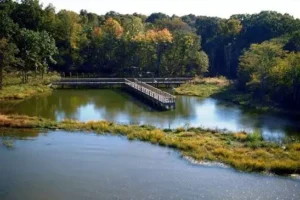
If you’re looking to escape the busy streets of Houston without traveling too far, Lake Houston Wilderness Park is the perfect destination. Covering nearly 5,000 acres of forests, creeks, and scenic trails, this peaceful park offers a refreshing retreat for outdoor enthusiasts, families, campers, and anyone who enjoys spending time in nature.
Unlike many city parks, Lake Houston Wilderness Park provides a true wilderness experience. Visitors can hike through towering pine forests, paddle along peaceful waterways, spend the night in cozy cabins or campsites, and discover abundant wildlife just a short drive from downtown Houston.
Whether you’re planning a weekend camping trip, a family picnic, a kayaking adventure, or a relaxing hike, the park has activities for visitors of all ages and skill levels.
This complete guide covers everything you need to know before visiting Lake Houston Wilderness Park, including hiking trails, camping, cabins, fishing, kayaking, park facilities, weather, visitor tips, and nearby attractions.
If you enjoy exploring outdoor destinations across the United States, be sure to check out our guides on Custer State Park, Canyonlands National Park, and Fred Howard Park.
Table of Contents
Quick Facts About Lake Houston Wilderness Park
| Feature | Details |
|---|---|
| Location | New Caney, Texas |
| Managed By | City of Houston Parks & Recreation Department |
| Size | Approximately 4,800 acres |
| Famous For | Camping, cabins, hiking, kayaking, forest scenery |
| Best For | Families, campers, hikers, nature lovers |
| Pet Friendly | Yes (on a leash) |
| Best Time to Visit | Fall through Spring |
Where Is Lake Houston Wilderness Park?
Lake Houston Wilderness Park is located near New Caney, Texas, about 30 miles northeast of downtown Houston.
Although it’s owned and operated by the City of Houston, the park sits in a peaceful forested area that feels far removed from the city’s busy streets. Its convenient location makes it a popular weekend getaway for residents of Houston and visitors exploring southeast Texas.
The park is easily accessible by car and offers ample parking for day visitors and overnight guests.
History of Lake Houston Wilderness Park
Lake Houston Wilderness Park was established to preserve one of the largest remaining forested areas near Houston while providing opportunities for outdoor recreation and environmental education.
Today, the park is managed by the Houston Parks and Recreation Department, which maintains its hiking trails, campsites, cabins, picnic areas, and educational facilities while protecting the region’s diverse ecosystems.
Over the years, the park has become a favorite destination for camping, hiking, birdwatching, and family-friendly outdoor adventures.
Lake Houston Wilderness Park Map
Before arriving, it’s helpful to review the park map to locate important facilities and attractions.
The map includes:
- Park entrance
- Visitor center
- Campgrounds
- Cabins
- Hiking trails
- Picnic areas
- Fishing locations
- Kayak launch areas
- Restrooms
- Parking areas
- Joe Turner Nature Center
Planning your visit in advance makes it easier to explore the park and enjoy everything it has to offer.
Best Things to Do at Lake Houston Wilderness Park
Whether you’re visiting for a day or spending the weekend, there are plenty of outdoor activities to enjoy.
Hike the Forest Trails
The park features more than 20 miles of hiking trails that wind through pine forests, hardwood woodlands, and peaceful creekside landscapes.
Trails range from easy nature walks to longer routes suitable for experienced hikers, making the park enjoyable for visitors of all ages.
Camp Under the Stars
Camping is one of the park’s biggest attractions.
Visitors can choose from:
- Tent campsites
- RV campsites
- Screened shelters
- Cozy cabins
- Group camping areas
Spending the night allows you to enjoy the park’s peaceful atmosphere and beautiful natural surroundings after day visitors have left.
Stay in a Cabin
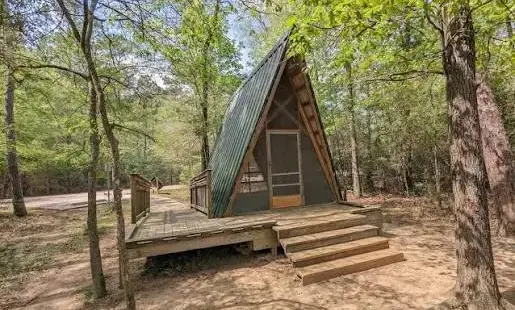
If you prefer more comfort than traditional camping, the park’s cabins provide an excellent alternative.
They offer a relaxing place to stay while remaining close to hiking trails, picnic areas, and outdoor activities.
Kayak Along Peach Creek
Peach Creek flows through the park and provides excellent opportunities for kayaking and canoeing.
Paddling along the calm waterway offers visitors the chance to experience the park from a different perspective while enjoying quiet forest scenery and observing local wildlife.
Go Fishing
Fishing is another popular activity at Lake Houston Wilderness Park.
Visitors can fish in designated areas and may catch a variety of freshwater species depending on the season.
A valid Texas fishing license may be required before fishing in the park.
Visit the Joe Turner Nature Center
The Joe Turner Nature Center provides educational exhibits about the park’s wildlife, forests, ecosystems, and conservation efforts.
It’s a great stop for families with children who want to learn more about the area’s natural environment.
Hiking Trails
Lake Houston Wilderness Park offers more than 20 miles of multi-use trails, making it one of the best hiking destinations near Houston. The trails pass through pine forests, hardwood woodlands, open meadows, and scenic creek crossings, providing a peaceful escape from city life.
Whether you’re looking for a short nature walk or a longer adventure, there are trails suitable for all fitness levels.
Popular activities on the trails include:
- Hiking
- Trail running
- Mountain biking
- Birdwatching
- Nature photography
Remember to stay on marked trails and carry plenty of drinking water, especially during warmer months.
Camping & Cabins
One of the biggest reasons visitors come to Lake Houston Wilderness Park is the opportunity to stay overnight in a natural setting.
Accommodation options include:
- Tent campsites
- RV campsites
- Screened shelters
- Family cabins
- Group camping areas
The campsites are surrounded by forest, creating a quiet environment that’s perfect for relaxing after a day of hiking or kayaking.
Reservations are recommended during weekends, holidays, and the cooler months when the park is busiest.
Wildlife & Nature
The park protects thousands of acres of East Texas woodland, providing habitat for a wide variety of wildlife.
During your visit, you may spot:
- White-tailed deer
- Armadillos
- Raccoons
- Squirrels
- Turtles
- Woodpeckers
- Hawks
- Owls
- Songbirds
- Butterflies
Birdwatching is especially popular during spring and fall migration seasons.
Visitors are encouraged to observe wildlife from a safe distance and avoid feeding animals.
Weather & Best Time to Visit
Lake Houston Wilderness Park is open year-round, but some seasons offer more comfortable conditions for outdoor activities.
| Season | Weather | Best Activities |
|---|---|---|
| Spring | Mild and pleasant | Hiking, camping, kayaking |
| Summer | Hot and humid | Early morning hiking, fishing |
| Fall | Cool and comfortable | Camping, biking, wildlife watching |
| Winter | Mild | Hiking, photography, nature walks |
Spring
Spring is one of the best times to visit thanks to blooming wildflowers, comfortable temperatures, and active wildlife.
Summer
Summer brings hot and humid weather. If visiting during this season, plan outdoor activities early in the morning or later in the evening.
Fall
Cool temperatures and colorful foliage make fall an excellent time for camping and hiking.
Winter
Winter offers peaceful trails, fewer crowds, and comfortable weather for exploring the park.
Park Hours & Admission
Lake Houston Wilderness Park is generally open throughout the year.
Before visiting, check the official park website for the latest information regarding:
- Operating hours
- Admission fees
- Camping reservations
- Cabin availability
- Trail conditions
- Seasonal programs
If you’re planning to stay overnight, booking accommodations in advance is highly recommended.
Nearby Attractions
Several popular attractions are located within a short drive of the park.
Lake Houston
Enjoy boating, fishing, paddleboarding, and waterfront recreation on one of the area’s largest lakes.
Jesse H. Jones Park & Nature Center
This nearby nature preserve features walking trails, educational exhibits, and opportunities to observe native wildlife.
Mercer Botanic Gardens
Explore beautifully landscaped gardens filled with native plants, seasonal flowers, and peaceful walking paths.
Downtown Houston
After your outdoor adventure, visit downtown Houston to experience world-class museums, restaurants, shopping, and entertainment.
Visitor Tips
Follow these tips to make the most of your visit.
- Reserve campsites and cabins early, especially on weekends.
- Bring insect repellent during warmer months.
- Wear comfortable hiking shoes.
- Carry plenty of drinking water.
- Download maps before arriving, as mobile service may be limited in some areas.
- Respect wildlife and leave no trace.
- Pack sunscreen and a hat for sunny days.
- Check the weather forecast before your trip.
If you’re planning more outdoor adventures, AttractionDeck also features travel guides to Canyonlands National Park, Custer State Park, Redwoods National Park, Sequoia National Park, Fred Howard Park, Beartown State Park, Providence Canyon State Park, Colorado Bend State Park, Buccaneer State Park, Georgia Safari Conservation Park, Mount Shasta Ski Park, DreamWorks Water Park, Bonnet Springs Park, Jordanelle State Park, Yucaipa Regional Park, Myrtle Beach Travel Park, and Indy Scream Park.
Frequently Asked Questions
Is Lake Houston Wilderness Park worth visiting?
Yes. The park offers hiking, camping, kayaking, cabins, fishing, and peaceful forest scenery, making it one of the best outdoor destinations near Houston.
Can you camp at Lake Houston Wilderness Park?
Yes. Visitors can choose from tent campsites, RV sites, screened shelters, cabins, and group camping areas.
How far is Lake Houston Wilderness Park from downtown Houston?
The park is located about 30 miles northeast of downtown Houston, making it an easy day trip or weekend getaway.
Is kayaking available at Lake Houston Wilderness Park?
Yes. Visitors can kayak and canoe along Peach Creek while enjoying the park’s natural surroundings.
What is the best time to visit Lake Houston Wilderness Park?
Fall, winter, and spring offer the most comfortable weather for hiking, camping, and other outdoor activities.
Final Thoughts
Lake Houston Wilderness Park is one of the best places to experience nature near Houston. With its miles of scenic trails, peaceful forests, comfortable cabins, family-friendly campgrounds, and opportunities for kayaking, fishing, and wildlife watching, the park offers the perfect escape from city life. Whether you’re planning a day trip or a weekend adventure, Lake Houston Wilderness Park is a destination that combines outdoor recreation with the beauty of East Texas, making it well worth adding to your travel itinerary.